Artículo de revisión
Vol. 52 | Núm. 5 (Octubre 2025)
29 min
Insights into precision nutrition: nutrigenetics and gut microbiota as complementary tools to personalize dietary interventions
Perspectivas en nutrición de precisión: la nutrigenética y la microbiota intestinal como herramientas complementarias para personalizar las intervenciones dietéticas
Ana Laura de-la-Garza1,2,*  , Karina dos-Santos1,3
, Alberto Ángel-Martín1,4
, Omar Ramos-López1,5
, Daniel de-Luis1,6
, J. Alfredo Martínez1,7
1. Ibero-American Network of Nutriomics and Precision Nutrition (RINN22)
2. Institute for Obesity Research, Tecnológico de Monterrey, Monterrey, México
3. Federal University of the State of Rio de Janeiro, Rio de Janeiro, Brazil
4. Escuela de Nutrición y Dietética, Universidad Industrial de Santander, Bucaramanga, Colombia
5. Medicine and Psychology School, Autonomous University of Baja California, Tijuana, México
6. Centre of Medicine and Endocrinology, University of Valladolid, Valladolid, España
7. Precision Nutrition Program, Research Institute on Food and Health Sciences, IMDEA Food, Consejo Superior de Investigaciones Científicas y
Universidad Autónoma de Madrid, Madrid, España
8. Biomedical Research Centre Network in Physiopathology of Obesity and Nutrition (CIBEROBN), Instituto de Salud Carlos III, Madrid, España
*Correspondence: Ana Laura de-la-Garza. ana.delagarza@tec.mx
https://doi.org/10.64159/RCHNUT-52-5-9
Recepción:
22/02/2025
Aceptación:
17/10/2025
Publicación:
31/10/2025
Métricas
294
Visualizaciones
40
Descargas
Compartir
Compartir
Resumen (ES)
Las dietas basadas en plantas, bajas en grasas y restringidas en carbohidratos se han relacionado con un menor riesgo de enfermedades crónicas como la diabetes mellitus tipo 2, las enfermedades cardiovasculares, los trastornos neurodegenerativos y el cáncer. Sin embargo, las tendencias recientes enfatizan la necesidad de enfoques de nutrición de precisión, un campo que aprovecha la genómica, los datos del microbioma y otros factores fenotípicos para adaptar mejor las recomendaciones dietéticas a las necesidades individuales. Este manuscrito tuvo como objetivo proporcionar una perspectiva actualizada sobre cómo la nutrigenética y la microbiota intestinal contribuyen a mejorar la eficacia y la respuesta individual a diferentes patrones dietéticos. Los hallazgos clave revelan que las dietas basada en plantas, especialmente el patrón de dieta mediterránea, mejoran los biomarcadores metabólicos y modulan la composición de la microbiota intestinal de manera saludable. Por otro lado, se ha demostrado que las dietas baja en grasas mejoran la sensibilidad a la insulina y los perfiles de lípidos circulantes, y los SNPs y marcadores genéticos como IRS1 influyen en las respuestas individuales. Además, las dietas restringida en carbohidratos promueven el metabolismo de las grasas y la pérdida de peso, y las variaciones genéticas y del microbioma modulan los resultados individuales. Mientras que el género Dorea disminuye en las dietas mediterránea y restringida en carbohidratos, el género Bifidobacterium aumenta en las dietas basada en plantas y baja en grasas. En conclusión, la nutrición de precisión ofrece un marco prometedor para optimizar las intervenciones dietéticas al considerar los perfiles genéticos y del microbioma. Estos enfoques complementarios destacan el potencial de las estrategias dietéticas personalizadas para mejorar la adherencia y los resultados en salud.
Palabras clave (ES):
Dieta baja en grasas
Dieta basada en plantas
Dieta restringida en carbohidratos
Nutrición de precisión
Microbioma
Polimorfismos genéticos
Resumen (EN)
Plant-based, low-fat, and carbohydrate-restricted diets have been linked to a reduced risk of chronic diseases such as type 2 diabetes mellitus, cardiovascular diseases, neurodegenerative disorders, and cancer. However, recent trends emphasize the need for precision nutrition approaches, a field leveraging genomics, microbiome data, and other phenotypic factors to tailor dietary recommendations to individual needs. This manuscript aimed to provide an updated perspective on how nutrigenetics and gut microbiota contribute to improving the effectiveness and individual response to different dietary patterns. Key findings reveal that plant-based diets, especially Mediterranean dietary patterns, improve metabolic biomarkers and modulate gut microbiota composition in a healthy manner. On the other hand, low-fat diets have been shown to improve insulin sensitivity and circulating lipid profiles, with SNPs and other genetic markers influencing individual responses. Moreover, carbohydrate-restricted diets promote fat metabolism and weight loss, with genetic and microbiome variations modulating individual outcomes. While the genus Dorea decreased on the Mediterranean and carbohydrate-restricted diets, Bifidobacterium increased on the plant-based and low-fat diets. In conclusion, precision nutrition offers a promising framework to optimize dietary interventions by considering both genetic and gut microbiota profiles. These complementary approaches highlight the potential of personalized dietary strategies to enhance adherence and improve health outcomes.
Palabras clave (EN):
Low-fat diet
Plant-based diet
Carbohydrate-restricted diet
Precision nutrition
Microbiome
Genetic polymorphisms
Introduction
In recent years, plant-based (Mediterranean and vegetarian), low-fat, and carbohydrate-restricted diets have been studied due to their potential health benefits and their adaptability to modern lifestyles1. Plant-based diets (PBD), including Mediterranean and vegetarian diets2, prioritize the consumption of fruits, vegetables, whole grains, and legumes, with low intake of animal-derived products. These diets have been extensively researched and are linked to reduced risks of certain cancers, cardiovascular, type 2 diabetes mellitus (T2DM), and neurodegenerative diseases2. Low-fat diets (LFD), which restrict lipid intake to less than 30% of total caloric intake, have been advocated for their ability to manage weight and reduce cardiovascular risk, although their long-term adherence and nutrient adequacy are often debated3. Carbohydrate-restricted diets (CRD) have shown efficacy in weight loss and metabolic control, especially in populations with T2DM or obesity, despite concerns about their cardiovascular impacts4. While these dietary patterns offer substantial health benefits, the differences in social, historical, clinical and dietary (intervention times and adherence patterns) contexts, lead to the inclusion of new approaches to improve personalization in comprehensive health care5.
In this scenario, current trends in nutritional intervention are moving towards personalization, leveraging advancements in technology and genomics insights6. Precision Nutrition emerges aiming to develop nutritional recommendations based on individual genetic variations, and other factors such as dietary habits, food behavior, physical activity, gut microbiota and the metabolome7.
Gene-diet interactions occur when the effect of diet on the individual’s health depends on genetic variants or a specific genotype8. In this context, several gene-diet interactions have been implicated in the risk of chronic diseases as well as in heterogeneous outcomes after dietary interventions. These include single nucleotide polymorphisms (SNPs) located at genes involved in lipid metabolism, insulin signaling, inflammation, and adipocyte differentiation9. The integration of polygenic data, combined with advanced bioinformatics and computational tools, is rapidly expanding the potential of precision nutrition. Recent studies have uncovered key gene-diet interactions, such as the modulation of lipid metabolism by APOA5 in response to vitamin D10, the influence of ADRB on glucose regulation in the context of dietary sugar intake11, the role of MC4R, POMC in appetite control12, PPARG’s involvement in fatty acid metabolism13, and the interaction between LIPC and dietary fat14. These insights not only deepen our knowledge of how genetic variations influence individual responses to the Mediterranean diet (MedDiet) but also emphasize the growing necessity for personalized nutrition strategies tailored to individual genetic profiles15. Besides the genome, the microbiome is also implicated as the main source of inter-individual variation modulating dietary responses16. Gut microbiota composition is unique to everyone because it evolves and adapts to its host over a lifetime. Diet and specific dietary components can influence the composition, function and diversity of the gut microbiome with consequences in health status17. Thus, understanding the effect of dietary patterns on the microbiome, may provide the onset of new biomarkers related to specific diet-related responses that contribute to better diagnosis and prognosis of dietary interventions in human health18. Furthermore, models incorporating gut microbiota composition and genetic factors have recently been proposed to optimize personalized dietary interventions19. Therefore, this review aimed to provide an updated perspective on how two emerging omics sciences–nutrigenetics and gut microbiota analysis–can enhance individual responses and the effectiveness of different dietary patterns through personalization within the framework of precision nutrition.
Plant-based diets
PBD are defined in terms of low frequency of animal food consumption and high intake of plant products such as vegetables, fruits, whole grains, legumes, nuts, and seeds2. PBD have been increasingly recommended for their health benefits as a potential strategy to prevent chronic diseases such as T2DM and cardiovascular diseases. However, there is a wide diversity of plant-based diets depending on the quality of plant foods included in the diet, usually classified as a healthful plant-based diet or unhealthful plant-based diet20, as well as the amount of food of animal origin2.
MedDiet, characterized by the predominance of plant foods, fermented dairy products and low amounts of red meat, serves as an excellent framework for exploring insights of precision dietary recommendations21. The precision nutrition approach not only considers individual dietary needs but also incorporates genetic data and biomarkers to optimize dietary recommendations5. This approach has benefited significantly from recent research highlighting the interaction between genetics and MedDiet adherence22.
Large cohort studies have demonstrated that adherence to the MedDiet helps prevent conditions such as obesity23 and cardiovascular disease24, and also contributes to reducing markers of homeostatic imbalance, including elevated oxidative stress and inflammatory status25. Recent findings have linked higher adherence to the MedDiet with a reduced incidence of metabolic syndrome (MetS) traits24. More specifically, the MedDiet and certain food components, such as olive oil and nuts, improve multiple metabolic biomarkers not only those related to body weight, but also to T2DM, hypertension, antioxidant status, and cancer21. In this context, Barabash et al. uncovered an interaction between the TCF7L2 gene polymorphism, which is responsible for regulating glucose homeostasis, and maternal adherence to a MedDiet concerning the risk of developing gestational diabetes mellitus (GDM). Women carrying the rs7903146 T-allele who followed a MedDiet in the early stages of pregnancy showed a reduced risk of GDM compared to those with the CC variant26. The Food4Me study has been crucial in evaluating how genotype-based counseling can influence adherence to the MedDiet27. The study’s findings suggest that genetic profile-based personalization can significantly improve adherence to this diet and reduce the intake of foods high in salt, sugars, and saturated fats. This approach has proven beneficial for tailoring dietary recommendations to individual genetic characteristics, highlighting the potential of personalized nutritional interventions27.
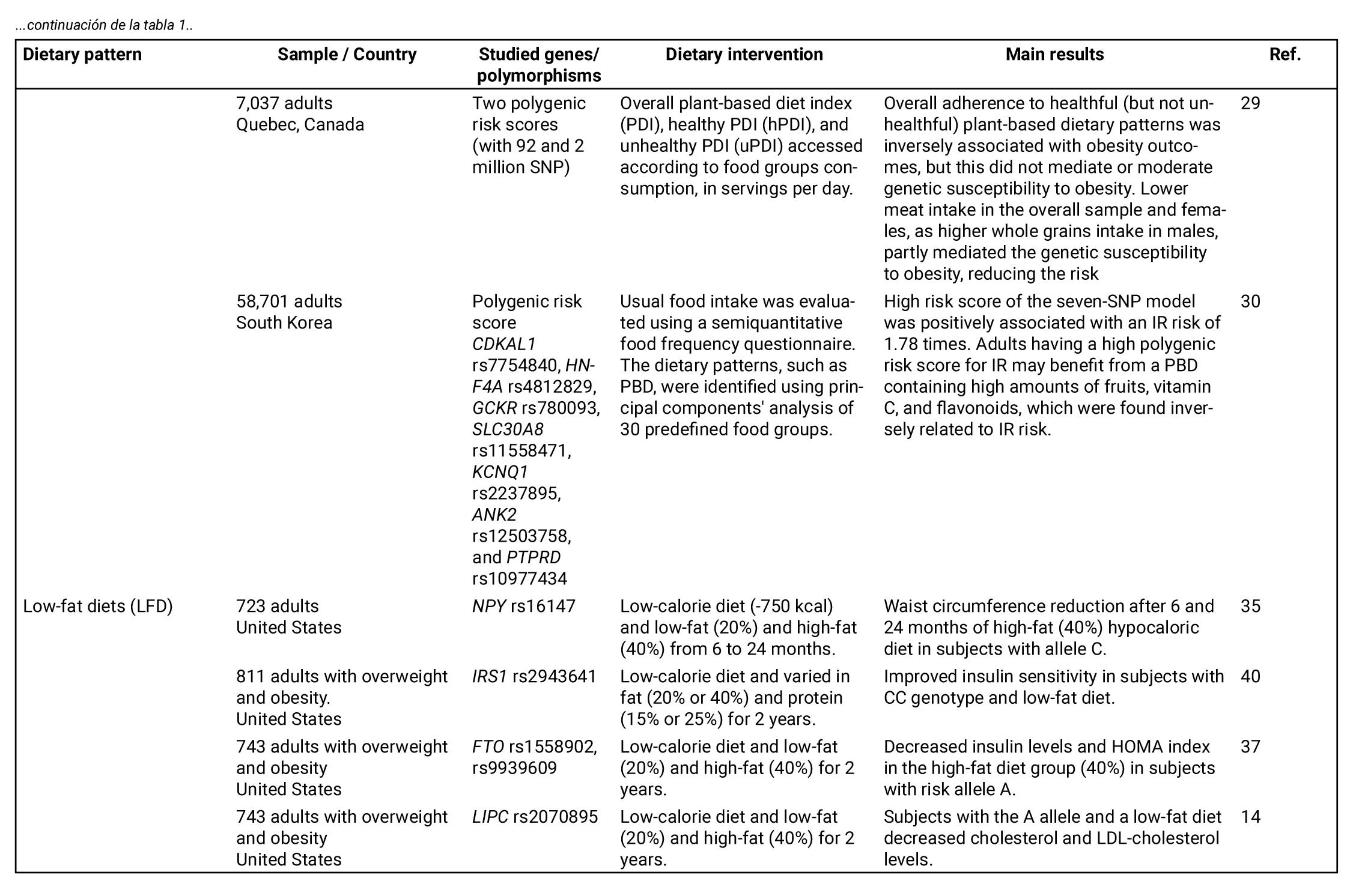
Variants in the CAV-1 gene are correlated with insulin resistance, T2DM, dyslipidemia, and metabolic syndrome (Table 1). Diets containing foods with antioxidant features, such as PBD, may modulate this effect, protecting individuals with genetic predisposition against chronic diseases28. Abaj et al.28 investigated the interactions between CAV-1 polymorphism and plant-based dietary index (PDI) on metabolic and inflammatory markers among 400 women with obesity. These researchers found that the A-allele carriers had higher diastolic blood pressure, body fat mass, fat mass index, and lower serum HDL-c and LDL-c compared to individuals in the GG genotype, with no association between this polymorphism and other biochemical parameters including triglyceride, inflammatory markers (hs-CRP, MCP-1, TGFβ), and liver enzymes (ALT and AST). However, analyzing the interaction between the genotypes and diet, the A-allele carriers who consumed higher PDI had lower ALT (alanine aminotransferase), insulin, MCP-1 (monocyte chemoattractant protein-1), and hs-CRP (high-sensitivity C-reactive protein), compared to GG homozygotes, showing a potential benefit of the PBD for women carrying the risk allele28 . Furthermore, Masip et al.29 examined whether adherence to PBD mediated or moderated genetic susceptibility to obesity, using two polygenic risk score (PRS) in a large cohort of 7,037 adults. The adherence to PBD diet showed inverse association with obesity, but with no mediation effect on the genetic risk. However, analyzing the influence of the food groups, higher meat intake and inadequate consumption of whole grains partly mediated the genetic risk for obesity. These findings suggest that to limit the intake of meat and increase the consumption of whole grains might be beneficial for nutrition interventions on weight management, particularly among individuals with genetic susceptibility to obesity. A sample of 58,701 individuals aged 40 to 74 years was evaluated for a seven-SNPs PRS for insulin resistance (IR) considering the interaction with PBD and its main components with antioxidant effect. After adjusting for the covariates, a high PRS was positively associated with an IR risk of 1.78 times. In the group of participants with low-energy, PBD, fruit, flavonoid, and vitamin C intakes, the percentage of high IR was higher in the high-PRS group compared to the low-PRS group, indicating that adults with genetic susceptibility to IR may benefit from a PBD containing high amounts of fruits, vitamin C, and flavonoids30 (Table 1).
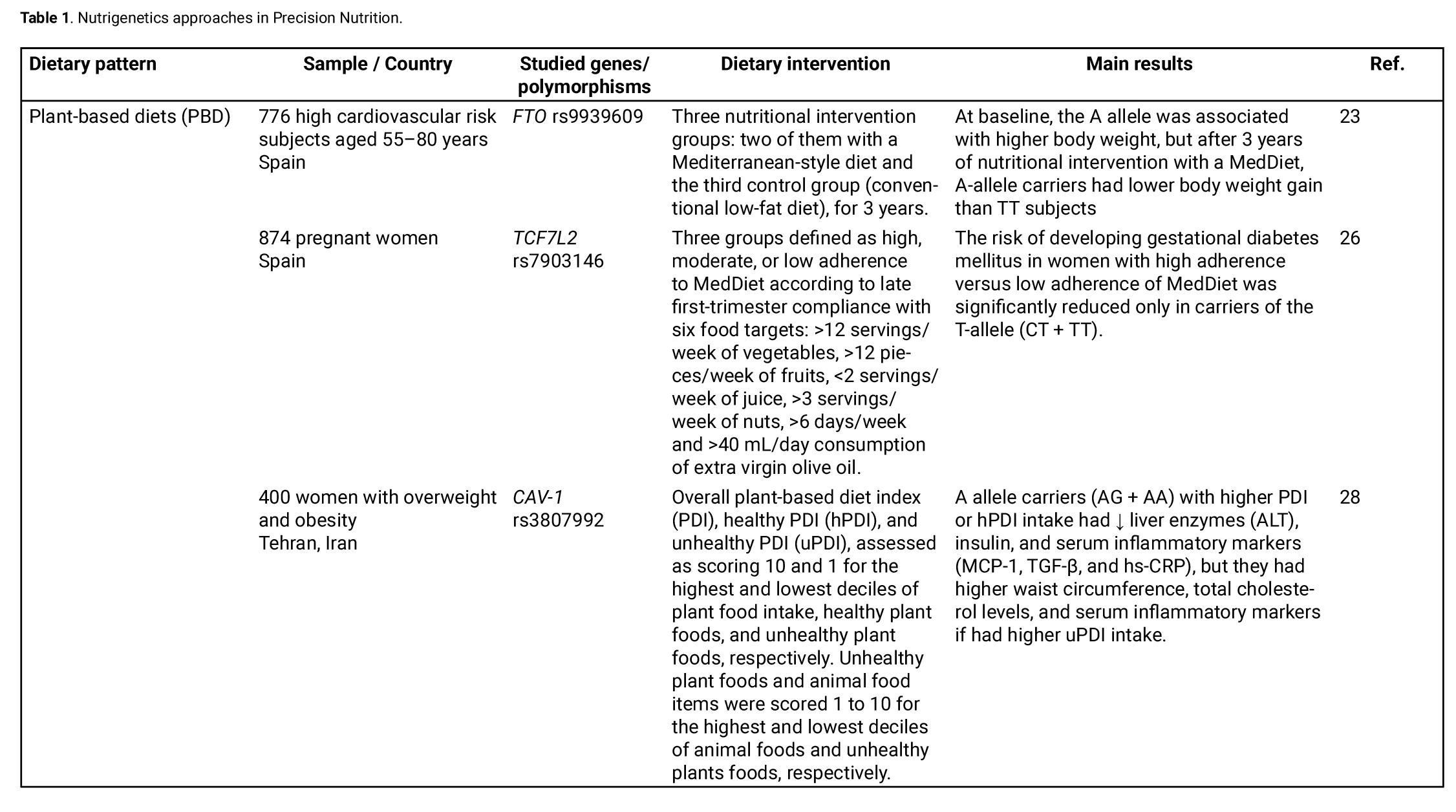
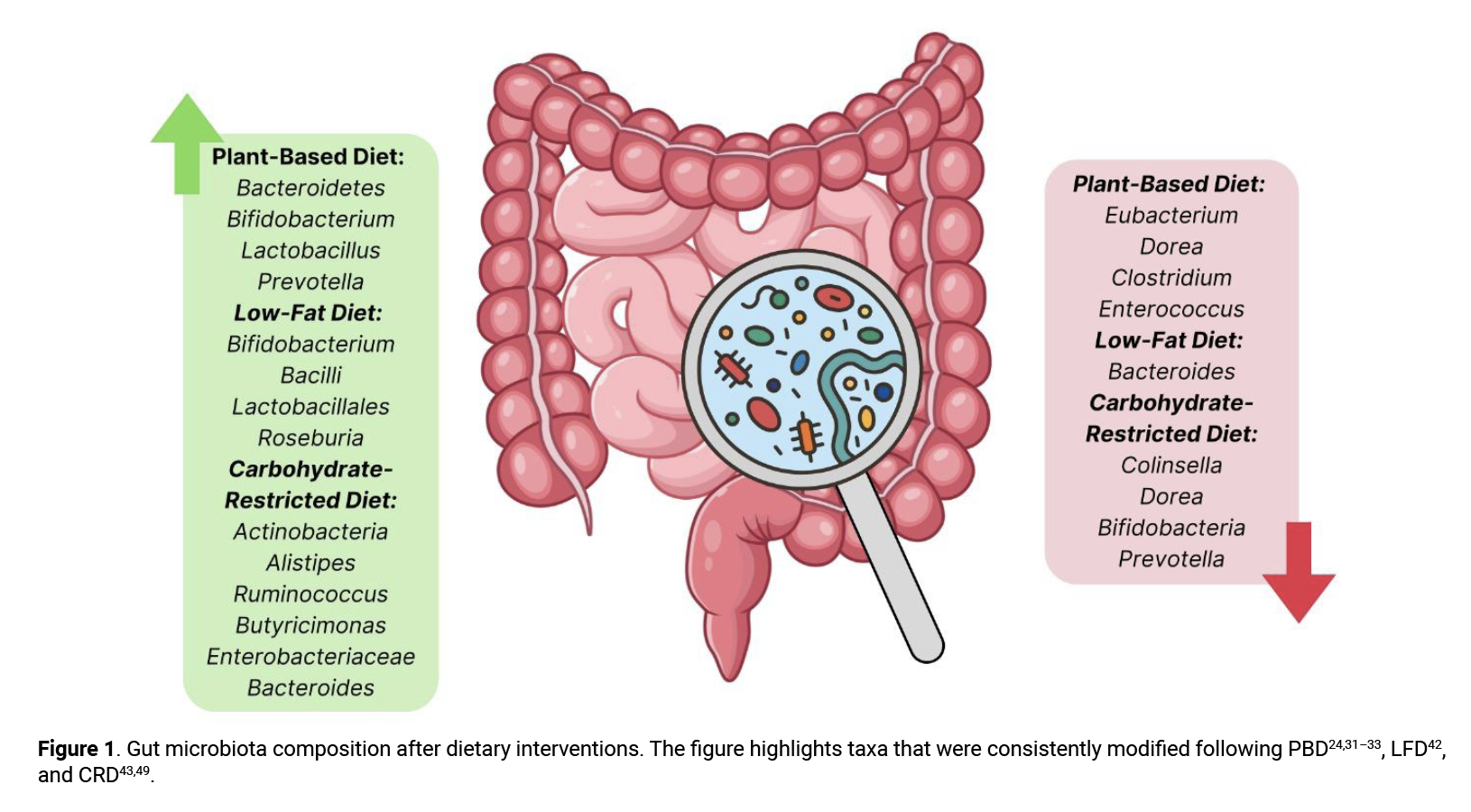
Besides the interplay with genetics, it has been suggested that the benefits of PBD for human health are mediated by the modulation of gut microbiota. The healthful PBD may favourably alter gut microbiota as they are high in dietary fiber, prebiotics, fermentable carbohydrates, and polyphenols, which fuel gut microbiota activity, increasing beneficial gut bacteria, such as the phylum Bacteroidetes31. Some of the effects of PBD diets on the gut microbiota are increase in diversity and richness, and increase in butyrate-production pathway, promoting decrease in inflammatory markers and body mass index (BMI)32. Dietary fibers have a key role in the gut microbiota activity, but fractions of unabsorbed dietary protein and fat reach the large intestine and influence the microbial system. Source, quality, and type of fats and proteins could differentially modify the gut microbiome. Consumption of fats from plant-based sources such as nuts, avocado, and olive or other vegetable oils, and avoiding animal-based fat and proteins (meat, eggs, and cheese) have shown positive alterations in gut microbiota biodiversity. There was an increase of Bifidobacterium spp., Lactobacilllus spp., and short chain fatty acids (SCFA) producing bacteria, along with a decrease of Clostridium perfringens, Ruminococcaceae family, and Enterococcus33. Four hundred participants aged 55-75 years followed a 1-year intervention using an energy-reduced MedDiet combined with physical activity. The results showed significant changes in α-diversity, and a reduction in the abundance of the Eubacterium hallii and Dorea in the intervention group24 (Figure 1). These changes in microbiota composition were linked to improvements in cardiometabolic risk factors, such as insulin sensitivity and lipid profiles24.
Low-fat diets
Nowadays, low-fat products have been increasingly popular. LFD is characterized by a reduction in dietary fat intake, typically comprising less than 30% of total daily caloric intake from fats2. The aim of a LFD is to reduce overall energy density, lower cholesterol and lipid levels, and promote cardiovascular health, particularly by minimizing the consumption of saturated fats2. Since fats are reduced, carbohydrates often contribute a larger proportion of the daily caloric intake. This includes an emphasis on complex carbohydrates such as whole grains, fruits, and vegetables contributing to the regulation of blood glucose and lipid levels. Studies have shown that LFD are associated with improvements in lipid profiles, particularly by lowering total cholesterol and LDL-cholesterol34.
Several trials have been conducted to evaluate the dietary response to LFD based on genotype, focusing on the interaction between genetic variants and the dietary fat intake34–36. These studies primarily assess how genetic polymorphisms influence weight loss, lipid metabolism, insulin sensitivity, and inflammatory markers in response to LFD. Thus, NPY rs16147 polymorphism found that individuals carrying the A allele experienced greater reductions in waist circumference, insulin levels, and inflammatory markers (HOMA-IR, IL-6) after following a hypocaloric diet, highlighting the allele’s influence on metabolic response to caloric restriction35. Similarly, another study on FTO rs1558902 and rs9939609 polymorphisms demonstrated that subjects with the risk allele A showed improved insulin sensitivity and a greater decrease in insulin levels when consuming a high-fat diet (40% fat), suggesting a gene-diet interaction specific to lipid metabolism37. Other investigations have focused on fat metabolism genes such as LIPC. In one study, subjects carrying the A allele of LIPC showed significant reductions in cholesterol and LDL-cholesterol levels when adhering to LFD14. However, not all studies demonstrated clear gene-diet interactions. For instance, studies on the UCP3 and TNF-α polymorphisms did not show significant differences in weight loss or metabolic markers across different dietary interventions38,39. The POUNDS Lost trial, a two-year clinical study, evaluated the effects of different dietary interventions on weight loss in 811 adults with overweight or obesity40. Participants were randomized into four groups based on diets that varied in fat (20% or 40%) and protein (15% or 25%) content, creating a range of carbohydrate levels from 35% to 65%40. The results indicated that there was no significant difference in weight loss between low-fat and high-fat groups. The trial also explored the interaction between diet and genotype. One key finding was the interaction of the IRS1 gene (rs2943641) with diet. Specifically, individuals with the CC genotype of IRS1 responded better to the low-fat, high-carbohydrate diet in terms of weight loss and improvements in insulin sensitivity compared to those without this genotype40. Additionally, participants with certain genetic variations, such as in APOA5, showed different lipid profile responses depending on fat intake. In the case of low-fat diets, subjects with favorable genotypes exhibited greater improvements in lipid markers40 (Table 1).
Diet is one of the most powerful factors modulating gut microbiota composition. Different macronutrient distributions, such as those found in low-fat, high-protein or high-carbohydrate diets, can induce distinct shifts in gut microbial population, which, in turn, influence metabolic outcomes18. LFD have been recommended for improving cardiovascular health and promoting weight loss. These diets often involve higher carbohydrate intake, which, depending on the source of carbohydrates, can influence gut microbiota in specific ways. A randomized controlled trial (RCT) evaluated 190 overweight and obese adults who followed for 4 months one of two hypocaloric diets: a moderately high-protein diet (HPD) or a LFD. The study developed microbiota- and genetic-based scores from baseline fecal and genotyping data to predict weight loss responses. Results showed that specific taxa and genetic variants interacted with diet type and sex to determine the effectiveness of weight loss. Bacterial taxa such as Coprococcus, Dorea, and Ruminococcus albus in women, and Fusicatenibacter and Odoribacter in men, were associated with diet-specific outcomes. The genetic subscores included variants in genes such as MTHFR, BDNF, UCP2 (for HPD) and IRS1, ADRB2, APOA5 (for LFD)19. While another study by Bailén et al.41 examined 147 overweight and obese adults and explored how gut microbiota is associated with PPARD (rs2267668) and PPARGC1A (rs8192678) polymorphisms. The authors reported that these variants were linked to distinct gut microbial signatures, with differences in taxa such as Bacteroides and Faecalibacterium41. Research on the effects of LFD on gut microbiota has shown increased abundance of bacterial taxa associated with carbohydrate fermentation, such as Bifidobacterium and Lactobacillus species, both of which are recognized for their probiotic properties42. Additionally, LFD is associated with a higher ratio of Firmicutes to Bacteroidetes, although this shift can vary based on the quality and types of carbohydrates consumed. The increase in fiber intake typical of LFD promotes the growth of SCFA-producing bacteria, such as Faecalibacterium prausnitzii, which is linked to anti-inflammatory effects and improved gut barrier function42. However, individual responses to LFD vary due to differences in baseline microbiota composition and host factors, highlighting the importance of precision nutrition. The DIETFITS trial investigated the impact of low-fat and low-carbohydrate diets on gut microbiota composition in a cohort of obese adults over a 12-month period42.
A total of 161 pre-diet fecal samples were sequenced from two cohorts, with an additional 157 samples taken after 10 weeks of dietary intervention. The study found that individuals on the LFD had increased β-diversity of gut microbiota over time, suggesting greater plasticity and a more varied microbial composition. In addition, participants with successful weight loss on the LFD showed a significant reduction in lipid-metabolizing bacteria and an increase in carbohydrate-fermenting microbes, aligning with the dietary macronutrient composition42 (Figure 1).
The significant results for LFD, particularly in relation to insulin sensitivity and lipid profiles, highlight the value of integrating genetic information into diet planning. In addition, one of the notable outcomes of LFD is the reduction in lipid-metabolizing bacterial populations, which contrasts with the gut microbiota changes in low-carbohydrate diets. Studies have demonstrated that while LFD enhance the abundance of microbes associated with fiber metabolism, they can also reduce the microbial diversity associated with fat metabolism42. These changes are often linked to improvements in markers of metabolic health, such as insulin sensitivity and reductions in cholesterol and body weight42.
Carbohydrate-restricted diets
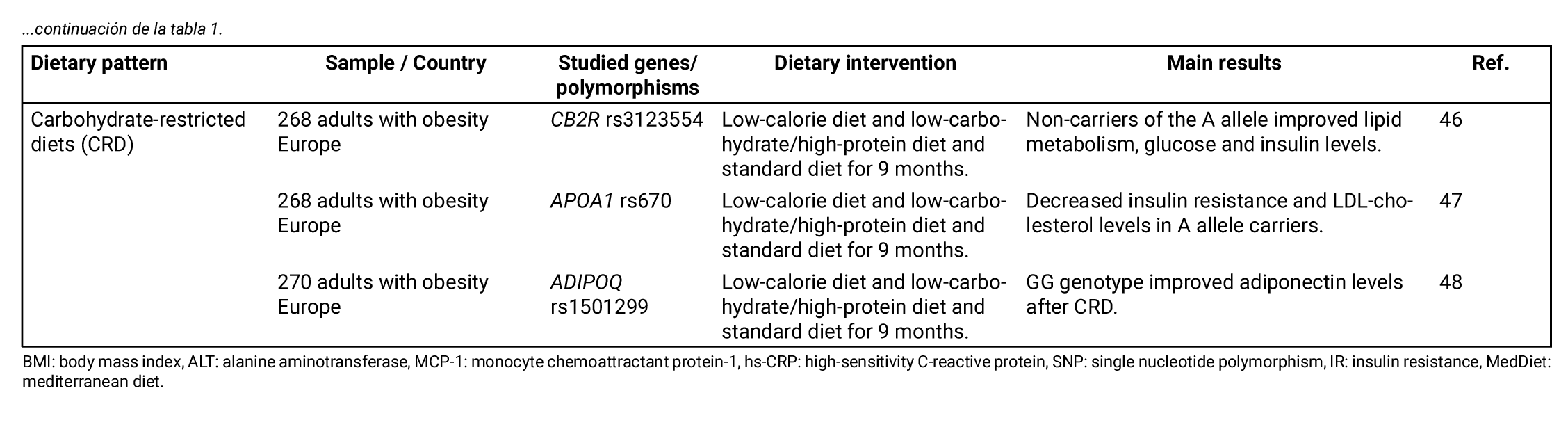
CRD is characterized by a substantial reduction in carbohydrate intake, typically defined as less than 20% of daily caloric intake from carbohydrates, with a concomitant increase in fat and protein consumption2. CRDs have been primarily used to promote weight loss and improve metabolic health, especially in individuals with obesity and T2DM. CRD limit carbohydrate intake to approximately 130 g or less per day, though stricter versions, such as very low-carbohydrate or ketogenic diets, may reduce intake to as low as 50 g per day or less. Thus, CRD typically derive most daily calories from fat (55-65%) and protein (25-30%). The metabolic effects of CRD are notable for the ability to reduce body fat mass, improve insulin sensitivity, and reduce plasma insulin levels43. These effects stem from a shift in fuel utilization from carbohydrates to fats, leading to enhanced lipolysis. Meta-analyses of RCT reveal that CRD can lead to greater fat mass reduction than LFD, with additional benefits observed when the diet is maintained for up to 12 months. In the short term, CRD consistently demonstrate improvements in weight loss, insulin sensitivity, and glycemic control. However, long-term interventions show a decrease in the weight loss advantage of CRD compared to other diets44. In addition, numerous genes and polymorphisms have been found to have a relevant role in the heterogeneous response to CRD and consequently metabolic effects45.Thus, a study conducted by Primo et al.46 aimed to evaluate the effect of the genetic variant rs3123554 of the CB2R gene on anthropometric and biochemical changes after weight loss.The intervention consisted of a hypocaloric high-protein/low-carbohydrate diet followed for nine months.
The results showed that non-carriers of the A allele showed a better response of total cholesterol, LDL-cholesterol, triglycerides, glucose, HOMA-IR and insulin levels than A carriers46. In addition, rs670 polymorphism of APOA1 gene showed a higher decrease in insulin resistance and LDL-cholesterol in A allele carriers regardless of diet47. GG genotype of an ADIPOQ gene variant (rs1501299) is related to better improvement in adiponectin levels after CRD48 (Table 1). In addition to genetic variability, research also indicates that other factors, such as individual variability in gut microbiota, may influence how effectively an individual responds to CRD. In fact, significant changes in the composition of gut microbiota were observed following a CRD for 12 weeks43. The relative abundance of butyrate-producing bacteria increased, specifically Ruminococcaceae, Oscillospira and Parabacteroides. These microorganisms are linked to improved metabolic health and are known to play roles in the production of SCFAs like butyrate, which is important for maintaining gut health and regulating host metabolism. Conversely, some bacteria associated with obesity and metabolic dysfunction showed a decrease in relative abundance. The study found that certain microbial groups linked to inflammation and energy harvesting from carbohydrates, such as Firmicutes, were reduced following the CRD43. In a recent study, the overweight/obese participants were assigned to CRD for four weeks. The characteristics of the diet were: low-calorie weight loss diet and the carbohydrate content was 2 times lower. No changes in α-diversity were observed, but different changes in the relative abundance of dominant genera were observed, highlighting the decrease of Prevotella genera and increase of Alistipes and Butyricimonas49. Regarding the DIETFITS study, participants with a higher Prevotella/Bacteroides ratio, a commonly used marker in microbiome studies, showed a better response to the CRD than LFD in body weight loss42 (Figure 1). Although both diets led to weight loss, the specific alterations in microbiota composition reflect the distinct macronutrient profiles, suggesting that the type of diet, rather than the weight loss itself, may be a key determinant of microbial shifts. These findings highlight the importance of personalized approaches to dietary intervention and the need for further research into the mechanisms underlying the metabolic effects of CRD.
Multi-omics integration studies and other types of dietary interventions
Evidence from clinical studies that jointly evaluate diet, host genetics, and the gut microbiota remains scarce, with most available interventions being exploratory, based on small sample sizes, and highly heterogeneous.
Differences in dietary pattern definitions, intervention duration, population diversity, and methodological approaches—including the types of omics assessed, dietary adherence tools, and microbiome sequencing techniques—restrict the comparability of findings and limit the ability to fully understand genotype-dependent, microbiota-mediated responses to diet. These gaps highlight the urgent need for well-powered, harmonized, and standardized multi-omics trials.
A recent RCT in overweight Chinese adults demonstrated that a personalized nutrition intervention, tailored to anthropometric, biochemical, dietary, and gut microbiota diversity compared with general dietary guidance37 . Notably, carriers of the FTO risk allele (rs11211980) showed the most pronounced benefits, with specific shifts in microbioal taxa such as Blautia37. Time-restricted eating (TRE), a type of intermittent fasting, showed positive effects on health reducing body fat percentage, fat mass, body weight, BMI and waist circumference. TRE protocols with shorter eating windows (6-8 h) were particularly effective. However, compared to traditional calorie restriction (CR), TRE yielded similar weight loss outcomes but was often more appealing due to its simplicity and lack of strict caloric intake tracking50. On the other hand, a recent study evaluated the effect of TRE and CRD on gut microbiota in overweight or obese adults. TRE increased the abundance of probiotic species such as Parabacteroides distasonis and Bacteroides intestinalis, which are associated with SCFAs51. Furthermore, circadian rhythms are the 24 hours cycles regulating various physiological processes in the human body. These rhythms are governed by an internal “biological clock”, influenced by external light and feeding times. The timing of food intake, or chrono-nutrition, interacts with these rhythms, influencing metabolic and immune health52. Feeding schedules determine gut motility and hormone secretion, impacting nutrient metabolism and microbial composition. Nighttime eating disrupts gut microbiota’s rhythm, leading to altered postprandial insulin responses and metabolic dysregulation. Some of the bacterial genera modulated by chrono-nutrition are Bifidobacterium and Lactobacillus, which synthesize essential nutrients and support a balanced immune response52.
Evidence from clinical studies that jointly evaluate diet, host genetics, and the gut microbiota remains scarce, with most available interventions being exploratory, based on small sample sizes, and highly heterogeneous. Differences in dietary pattern definitions, intervention duration, population diversity, and methodological approaches—including the types of omics assessed, dietary adherence tools, and microbiome sequencing techniques—restrict the comparability of findings and limit the ability to fully understand genotype-dependent, microbiota-mediated responses to diet. These gaps highlight the urgent need for well-powered, harmonized, and standardized multi-omics trials. It is important to note that most studies investigating the combined effects of diet, host genetics, and gut microbiota have been conducted predominantly in Caucasian populations. This poses a limitation when attempting to extrapolate the findings to other ethnic groups, given that genetic architecture, habitual dietary patterns, and baseline microbiota composition can differ substantially across populations. These factors may significantly influence the magnitude and direction of microbiota-mediated responses to dietary interventions. Therefore, future research should prioritize the inclusion of diverse populations to enhance the external validity of findings and to ensure that precision nutrition strategies are equitable and broadly applicable.
In this context, the contribution of our review is to integrate findings from nutrigenetics and microbiome research across established dietary patterns—plant-based, low-fat, and carbohydrate-restricted diets—while emphasizing the scarcity of multi-omics interventions. By synthesizing current challenges, we provide a perspective that underscores the barriers to clinical translation and outlines opportunities for future research. Such reflection is essential not only for advancing robust and integrative study designs, but also for supporting health professionals who seek to progressively incorporate emerging omics-based tools into personalized nutrition practice.
Conclusions
Nutrigenetics and gut microbiota research are emerging as complementary pillars of precision nutrition, offering new insights into the variability of individual responses to dietary interventions. Evidence from studies on plant-based, low-fat, and carbohydrate-restricted diets indicates that both genetic variants and microbiota composition influence diet effectiveness and adherence, although current data remain limited and heterogeneous. Overall, findings from nutrigenetic studies demonstrate that individual genetic differences can modulate dietary responses, reinforcing the potential for personalized nutrition strategies based on genotype. However, the limited number of clinical trials that concurrently assess nutrigenetic and microbiome responses, together with the heterogeneity of dietary interventions and the relatively short duration of most studies, make it difficult to establish long-term and broadly applicable conclusions. These gaps highlight the need for future well-designed, longer-term, and adequately powered intervention trials in diverse populations to validate these approaches and facilitate their translation into clinical and public health practice.
Acknowledgements
The authors would like to thank the Ibero-American Network of Nutriomics and Precision Nutrition (RINN22) for the support to carry out the analyses of this article.
Funding
This research did not receive any specific grant from funding agencies in the public, commercial, or not-for-profit sectors.
Declaration of competing interest
The authors declare there is no conflict of interest.
Statement on the use of artificial intelligence
The authors declare that no artificial intelligence tools were used at any stage of the preparation of this manuscript.
References
- Merino J. Precision nutrition in diabetes: when population-based dietary advice gets personal. Diabetologia. 2022;65:1839–48. Available from: https://doi.org/10.1007/s00125-022-05721-6
- Mary Y, Nikolaos S. Diets. N Engl J Med. 2024;390:2098–106. Available from: https://doi.org/10.1056/NEJMra2211889
- Gardner CD, Trepanowski JF, Del Gobbo LC, Hauser ME, Rigdon J, Ioannidis JPA, et al. Effect of low-fat vs low-carbohydrate diet on 12-month weight loss in overweight adults and the association with genotype pattern or insulin secretion: the DIETFITS randomized clinical trial. JAMA. 2018;319:667–79. Available from: https://doi.org/10.1001/jama.2018.0245
- Goni L, Qi L, Cuervo M, Milagro FI, Saris WH, MacDonald IA, et al. Effect of the interaction between diet composition and the PPM1K genetic variant on insulin resistance and β cell function markers during weight loss: results from the NUGEN study. Am J Clin Nutr. 2017;106:902–8. Available from: https://doi.org/10.3945/ajcn.117.156281
- Kirk D, Catal C, Tekinerdogan B. Precision nutrition: a systematic literature review. Comput Biol Med. 2021;133:104365. Available from: https://doi.org/10.1016/j.compbiomed.2021.104365
- Mutch DM, Zulyniak MA, Rudkowska I, Tejero ME. Lifestyle genomics: addressing the multifactorial nature of personalized health. Lifestyle Genom. 2018;11:1–8. Available from: https://doi.org/10.1159/000492297
- de Toro-Martín J, Arsenault B, Després JP, Vohl MC. Precision nutrition: a review of personalized nutritional approaches for the prevention and management of metabolic syndrome. Nutrients. 2017;9:913. Available from: https://doi.org/10.3390/nu9080913
- Ramos-Lopez O, Milagro FI, Allayee H, Chmurzynska A, Choi MS, Curi R, et al. Guide for current nutrigenetic, nutrigenomic, and nutriepigenetic approaches for precision nutrition involving the prevention and management of chronic diseases associated with obesity. J Nutrigenet Nutrigenomics. 2017;10:43–62. Available from: https://doi.org/10.1159/000477729
- Ramos-Lopez O, Riezu-Boj JI, Milagro FI. Genetic and epigenetic nutritional interactions influencing obesity risk and adiposity outcomes. Curr Opin Clin Nutr Metab Care. 2022;25:305–13. Available from: https://journals.lww.com/co-clinicalnutrition/fulltext/2022/07000/genetic_and_epigenetic_nutritional_interactions.3.aspx
- Vimaleswaran KS, Cavadino A, Hyppönen E. APOA5 genotype influences the association between 25-hydroxyvitamin D and high-density lipoprotein cholesterol. Atherosclerosis. 2013;228:188–92. Available from: https://doi.org/10.1016/j.atherosclerosis.2013.02.006
- Ramos-Lopez O, Riezu-Boj JI, Milagro FI, Goni L, Cuervo M, Martinez JA. Differential lipid metabolism outcomes associated with ADRB2 gene polymorphisms in response to two dietary interventions in overweight/obese subjects. Nutr Metab Cardiovasc Dis. 2018;28:165–72. Available from: https://doi.org/10.1016/j.numecd.2017.11.006
- Crovesy L, Rosado EL. Interaction between genes involved in energy intake regulation and diet in obesity. Nutrition. 2019;67–68:110547. Available from: https://doi.org/10.1016/j.nut.2019.06.027
- Galbete C, Toledo E, Martínez-González MA, Martínez JA, Guillén-Grima F, Marti A. Pro12Ala variant of the PPARG2 gene increases body mass index: an updated meta-analysis encompassing 49,092 subjects. Obesity. 2013;21:1486–95. Available from: https://doi.org/10.1002/oby.20150
- Xu M, Ng SS, Bray GA, Ryan DH, Sacks FM, Ning G, et al. Dietary fat intake modifies the effect of a common variant in the LIPC gene on changes in serum lipid concentrations during a long-term weight-loss intervention trial. J Nutr. 2015;145:1289–94. Available from: https://doi.org/10.3945/jn.115.212514
- Ramos-Lopez O, Riezu-Boj JI, Milagro FI, Cuervo M, Goni L, Martinez JA. Models integrating genetic and lifestyle interactions on two adiposity phenotypes for personalized prescription of energy-restricted diets with different macronutrient distribution. Front Genet. 2019;10:686. Available from: https://doi.org/10.3389/fgene.2019.00686
- Alemao CA, Budden KF, Gomez HM, Rehman SF, Marshall JE, Shukla SD, et al. Impact of diet and the bacterial microbiome on the mucous barrier and immune disorders. Allergy. 2021;76:714–34. Available from: https://doi.org/10.1111/all.14548
- Ross FC, Patangia D, Grimaud G, Lavelle A, Dempsey EM, Ross RP, et al. The interplay between diet and the gut microbiome: implications for health and disease. Nat Rev Microbiol. 2024;22:671–86. Available from: https://doi.org/10.1038/s41579-024-01068-4
- Mills S, Stanton C, Lane JA, Smith GJ, Ross RP. Precision nutrition and the microbiome, part I: current state of the science. Nutrients. 2019;11(4):923. Available from: https://doi.org/10.3390/nu11040923
- Cuevas-Sierra A, Milagro FI, Guruceaga E, Cuervo M, Goni L, García-Granero M, et al. A weight-loss model based on baseline microbiota and genetic scores for selection of dietary treatments in overweight and obese population. Clin Nutr. 2022;41:1712–23. Available from: https://doi.org/10.1016/j.clnu.2022.06.008
- Satija A, Hu FB. Plant-based diets and cardiovascular health. Trends Cardiovasc Med. 2018;28:437–41. Available from: https://doi.org/10.1016/j.tcm.2018.02.004
- Del Chierico F, Vernocchi P, Dallapiccola B, Putignani L. Mediterranean diet and health: food effects on gut microbiota and disease control. Int J Mol Sci. 2014;15:11678–99. Available from: https://doi.org/10.3390/ijms150711678
- Di Renzo L, Cioccoloni G, Falco S, Abenavoli L, Moia A, Sinibaldi Salimei P, et al. Influence of FTO rs9939609 and Mediterranean diet on body composition and weight loss: a randomized clinical trial. J Transl Med. 2018;16:308. Available from: https://doi.org/10.1186/s12967-018-1680-7
- Razquin C, Martinez JA, Martinez-Gonzalez MA, Bes-Rastrollo M, Fernández-Crehuet J, Marti A. A 3-year intervention with a Mediterranean diet modified the association between the rs9939609 gene variant in FTO and body weight changes. Int J Obes. 2010;34:266–72. Available from: https://doi.org/10.1038/ijo.2009.233
- García-Gavilán JF, Atzeni A, Babio N, Liang L, Belzer C, Vioque J, et al. Effect of 1-year lifestyle intervention with energy-reduced Mediterranean diet and physical activity promotion on the gut metabolome and microbiota: a randomized clinical trial. Am J Clin Nutr. 2024;119(5):1176–88. Available from: https://doi.org/10.1016/j.ajcnut.2024.02.021
- Schwingshackl L, Hoffmann G. Mediterranean dietary pattern, inflammation and endothelial function: a systematic review and meta-analysis of intervention trials. Nutr Metab Cardiovasc Dis. 2014;24:929–39. Available from: https://doi.org/10.1016/j.numecd.2014.03.003
- Barabash A, Valerio JD, Garcia de la Torre N, Jimenez I, del Valle L, Melero V, et al. TCF7L2 rs7903146 polymorphism modulates the association between adherence to a Mediterranean diet and the risk of gestational diabetes mellitus. Metabol Open. 2020;8:100069. Available from: https://doi.org/10.1016/j.metop.2020.100069
- Celis-Morales C, Marsaux CFM, Livingstone KM, Navas-Carretero S, San-Cristobal R, Fallaize R, et al. Can genetic-based advice help you lose weight? Findings from the Food4Me European randomized controlled trial. Am J Clin Nutr. 2017;105:1204–13. Available from: https://doi.org/10.3945/ajcn.116.145680
- Abaj F, Mirzababaei A, Hosseininasab D, Bahrampour N, Clark CCT, Mirzaei K. Interactions between Caveolin-1 polymorphism and plant-based dietary index on metabolic and inflammatory markers among women with obesity. Sci Rep. 2022;12:9088. Available from: https://doi.org/10.1038/s41598-022-12913-y
- Masip G, Attar A, Nielsen DE. Plant-based dietary patterns and genetic susceptibility to obesity in the CARTaGENE cohort. Obesity. 2024;32:409–22. Available from: https://doi.org/10.1002/oby.23944
- Park S. Association of polygenic risk scores for insulin resistance risk and their interaction with a plant-based diet, especially fruits, vitamin C, and flavonoid intake, in Asian adults. Nutrition. 2023;111:112007. Available from: https://doi.org/10.1016/j.nut.2023.112007
- Hemler EC, Hu FB. Plant-based diets for personal, population, and planetary health. Adv Nutr. 2019;10:S275–83. Available from: https://doi.org/10.1093/advances/nmy117
- Sidhu SR, Kok CW, Kunasegaran T, Ramadas A. Effect of plant-based diets on gut microbiota: a systematic review of interventional studies. Nutrients. 2023;15(6):1510. Available from: https://doi.org/10.3390/nu15061510
- Muralidharan J, Galiè S, Hernández-Alonso P, Bulló M, Salas-Salvadó J. Plant-based fat, dietary patterns rich in vegetable fat and gut microbiota modulation. Front Nutr. 2019;6:157. Available from: https://doi.org/10.3389/fnut.2019.00157
- de Luis DA, Romero E, Izaola O, Primo D, Aller R. Cardiovascular risk factors and insulin resistance after two hypocaloric diets with different fat distribution in obese subjects: effect of the rs10767664 gene variant in brain-derived neurotrophic factor. Lifestyle Genom. 2017;10:163–71. Available from: https://doi.org/10.1159/000485248
- de Luis DA, Izaola O, Fuente B, Primo D, Aller R. Polymorphism of neuropeptide Y gene rs16147 modifies the response to a hypocaloric diet on cardiovascular risk biomarkers and adipokines. J Hum Nutr Diet. 2017;30:159–65. Available from: https://doi.org/10.1111/jhn.12406
- de Luis DA, Izaola O, Primo D, Aller R. Role of rs670 variant of APOA1 gene on lipid profile, insulin resistance and adipokine levels in obese subjects after weight loss with a dietary intervention. Diabetes Res Clin Pract. 2018;142:139–45. Available from: https://doi.org/10.1016/j.diabres.2018.05.040
- Zheng J, Wang F, Guo H, Cheng J, Du J, Kan J. Gut microbiota modulates differential lipid metabolism outcomes associated with FTO gene polymorphisms in response to personalized nutrition intervention. Front Nutr. 2022;9:985723. Available from: https://doi.org/10.3389/fnut.2022.985723
- de Luis DA, Aller R, Izaola O, de la Fuente B, Conde R, Eiros Bouza JM. Relation of -55CT polymorphism of UCP3 gene with weight loss and metabolic changes after a high monounsaturated fat diet in obese non-diabetic patients. Eur Rev Med Pharmacol Sci. 2013;17:2810–5. Available from: https://doi.org/10.3305/nh.2012.27.4.5787
- Jackson KG, Li Y, Ryan MF, Gibney ER, Brennan L, Roche HM, et al. Association of the tumor necrosis factor-alpha promoter polymorphism with change in triacylglycerol response to sequential meals. Nutr J. 2016;15:70. Available from: https://doi.org/10.1186/s12937-016-0190-9
- Qi L, Heianza Y, Li X, Sacks FM, Bray GA. Toward precision weight-loss dietary interventions: findings from the POUNDS Lost trial. Nutrients. 2023;15(16):3665. Available from: https://doi.org/10.3390/nu15163665
- Bailén M, Tabone M, Bressa C, Lominchar MGM, Larrosa M, González-Soltero R. Unraveling gut microbiota signatures associated with PPARD and PARGC1A genetic polymorphisms in a healthy population. Genes (Basel). 2022;13(2):289. Available from: https://doi.org/10.3390/genes13020289
- Grembi JA, Nguyen LH, Haggerty TD, Gardner CD, Holmes SP, Parsonnet J. Gut microbiota plasticity is correlated with sustained weight loss on a low-carb or low-fat dietary intervention. Sci Rep. 2020;10:1405. Available from: https://doi.org/10.1038/s41598-020-58000-y
- Susu Z, Peili W, Ye T, Bingdong L, Liujing H, Zhihong L, et al. Gut microbiota serves as a predictable outcome of short-term low-carbohydrate diet intervention for patients with obesity. Microbiol Spectr. 2021;9:e00223-21. Available from: https://doi.org/10.1128/Spectrum.00223-21
- Barber TM, Hanson P, Kabisch S, Pfeiffer AFH, Weickert MO. The low-carbohydrate diet: short-term metabolic efficacy versus longer-term limitations. Nutrients. 2021;13(4):1187. Available from: https://doi.org/10.3390/nu13041187
- Ferguson LR, De Caterina R, Görman U, Allayee H, Kohlmeier M, Prasad C, et al. Guide and position of the International Society of Nutrigenetics/Nutrigenomics on personalised nutrition: part 1 – fields of precision nutrition. J Nutrigenet Nutrigenomics. 2016;9:12–27. Available from: https://doi.org/10.1159/000445350
- Primo D, Izaola O, de Luis D. Efectos de una dieta hipocalórica rica en proteína/baja de hidratos de carbono vs una estándar sobre los parámetros antropométricos y factores de riesgo cardiovascular: papel del polimorfismo rs3123554 del gen del receptor canabinoide tipo 2 (CB2R). Endocrinol Diabetes Nutr. 2020;67:446–53. Available from: https://doi.org/10.1016/j.endinu.2019.09.010
- Izaola O, Primo D, Gomez Hoyos E, Lopez Gomez JJ, Ortola A, de Luis D. Association of rs670 variant of APOA1 gene with lipid profile and insulin resistance after 9 months of a high protein/low carbohydrate vs a standard hypocaloric diet. Clin Nutr. 2020;39:988–93. Available from: https://doi.org/10.1016/j.clnu.2019.04.030
- Aller R, Izaola O, Primo D, de Luis DA. The effect of single-nucleotide polymorphisms at the ADIPOQ gene locus rs1501299 on metabolic parameters after 9 months of a high-protein/low-carbohydrate versus a standard hypocaloric diet. Nutrition. 2019;65:44–9. Available from: https://doi.org/10.1016/j.nut.2019.02.012
- Jaagura M, Viiard E, Karu-Lavits K, Adamberg K. Low-carbohydrate high-fat weight reduction diet induces changes in human gut microbiota. Microbiologyopen. 2021;10:e1194. Available from: https://doi.org/10.1002/mbo3.1194
- Xie Y, Zhou K, Shang Z, Bao D, Zhou J. The effects of time-restricted eating on fat loss in adults with overweight and obesity depend upon the eating window and intervention strategies: a systematic review and meta-analysis. Nutrients. 2024;16(19):3390. Available from: https://doi.org/10.3390/nu16193390
- Li L, Li R, Tian Q, Luo Y, Li R, Lin X, et al. Effects of healthy low-carbohydrate diet and time-restricted eating on weight and gut microbiome in adults with overweight or obesity: a feeding RCT. Cell Rep Med. 2024;5:101801. Available from: https://doi.org/10.1016/j.xcrm.2024.101801
- de Oliveira Melo NC, Cuevas-Sierra A, Souto VF, Martínez JA. Biological rhythms, chrono-nutrition, and gut microbiota: epigenomics insights for precision nutrition and metabolic health. Biomolecules. 2024;14(5):559. Available from: https://doi.org/10.3390/biom14050559
Explorar
Artículos
Volúmenes
Sobre la revista
Más leídos
Hábitos alimentarios en estudiantes universitarios de una facultad de salud en Colombia
Revista Chilena de Nutrición
Orientación técnica para el manejo nutricional de la persona adulta con cáncer
Revista Chilena de Nutrición
Recomendaciones prácticas para el manejo nutricional de la enfermedad renal crónica en etapas 3 a 5 con y sin diálisis para adultos y personas mayores en Chile
Revista Chilena de Nutrición
Productos de glicación avanzada en alimentos: estrategias de preparación y procesamiento para reducir su contenido, para un envejecimiento saludable
Revista Chilena de Nutrición
Aceite de canola: recomendaciones de ingesta para la prevención y el tratamiento de enfermedades crónicas no transmisibles
Revista Chilena de Nutrición