Artículo original
Vol. 52 | Núm. 6 (diciembre 2025)
28 min
Evaluating employees’ perceptions of non-monetary incentives in workplace-based weight loss programs
Evaluación de las percepciones de trabajadores respecto al uso de incentivos no monetarios en programas de pérdida de peso implementados en lugares de trabajo
Adriana Aparecida de Oliveira-Barbosa1 , Anna Christina Pinheiro-Fernandes2, Daiana Quintiliano Scarpelli2, Maria Rita Marques de Oliveira3, Julieta Belmar Prieto4, Dominique Masferrer Riquelme2*
1. Facultad de Medicina, Universidad Estatal Paulista Júlio de Mesquita Filho (UNESP), Botucatu, Brazil
2.Carrera de Nutrición y Dietética. Facultad de Medicina-Clínica Alemana, Universidad del Desarrollo, Las Condes, Chile
3. Instituto de Biociencias, Universidad Estatal Paulista Júlio de Mesquita Filho (UNESP), Botucatu, Brazil
4. Programa de Epidemiología, Escuela de Salud Pública de la Universidad de Chile, Independencia, Chile
*Correspondencia:
*Dominique Masferrer Riquelme. dominique.masferrer@gmail.com
Recepción:
11/07/2025
Aceptación:
17/11/2025
Publicación:
31/12/2025
Métricas
308
Visualizaciones
40
Descargas
Compartir
Compartir
Resumen (ES)
El presente estudio exploró las expectativas, percepciones de aceptabilidad y las creencias de trabajadores chilenos respecto a la efectividad potencial del uso de incentivos no monetarios en programas de pérdida de peso en lugares de trabajo. Para ello, se realizaron 16 grupos focales con la participación de 86 trabajadores con malnutrición por exceso y ocupaciones sedentarias, los cuales se desempeñaban en seis empresas con operaciones en Chile. El análisis de contenido de los datos, fundamentado en la Teoría de la Autodeterminación, identificó ocho categorías que se agruparon en tres temas principales: 1) Creencias y desafíos vinculados a los hábitos saludables y el peso corporal; 2) Estructura, ambiente y cultura organizacional; y 3) La implementación de incentivos no monetarios para fomentar conductas saludables en el ámbito laboral. Si bien los participantes valoraron positivamente los incentivos no monetarios, estos se mostraron insuficientes para trascender las barreras psicológicas, emocionales y estructurales que dificultan la adopción de estilos de vida más saludables. Los incentivos no monetarios que ofrecían tiempo libre adicional, especialmente para dedicar a la familia, fueron los más apreciados. No obstante, las restricciones organizacionales limitan la implementación de estos incentivos en iniciativas orientadas a la pérdida de peso en los lugares de trabajo. En conclusión, aunque los incentivos no monetarios se identificaron como una estrategia con potencial para promover hábitos saludables, su éxito radica en la implementación de modificaciones estructurales y culturales dentro del entorno laboral. En vista de lo anterior, se requiere de una estrategia integral que considere tanto factores individuales como organizacionales para fomentar hábitos saludables sostenibles en población adulta trabajadora.
Palabras clave (ES):
Programas de seguridad
Métodos de investigación
y salud en el trabajo
cualitativa
Promoción de la salud
Compensación de trabajadores
Resumen (EN)
This study investigated Chilean employees expectations, perceptions of acceptability, and beliefs about the potential effectiveness of non-monetary incentives in workplace weight loss programs. Eighty-six employees with overweight and sedentary occupations from six Chilean companies participated in 16 focus groups as part of a descriptive qualitative study. The content analysis, grounded in Self-Determination Theory, revealed eight categories grouped into three overarching themes: 1) Beliefs and challenges regarding healthy habits and body weight. 2) Workplace structure, environment, and culture. 3) The use of non-monetary incentives to promote healthy behaviors at work. While participants appreciated the non-monetary incentives, these were not enough to overcome the psychological, emotional, and structural barriers to adopting healthier lifestyles. Non-monetary incentives that provided additional spare time, particularly for family, were the most appreciated by participants; nevertheless, organizational constraints restrict the use of these incentives in workplace weight loss initiatives. In conclusion, although non-monetary incentives were identified as a strategy to promote healthier lifestyles, their success is dependent on implementing structural and cultural modifications in the work environment. A comprehensive strategy that considers both individual and organizational factors is needed to promote sustainable healthy habits.
Palabras clave (EN):
Health promotion
Occupational health
Behavioral
Workers’ compensation
Qualitative research methods
and safety programs
Introduction
Obesity is one of the leading public health problems worldwide due to the high social and economic costs it generates1. Projections indicate that the impact of overweight and obesity will increase significantly, with an estimated 4 billion people affected by this condition worldwide by 20352. Although the causes of obesity are multifactorial, sedentary behaviors, high-energy diets, excessive consumption of ultra-processed foods, and the predominance of sedentary occupations in study and work settings emerge as the primary drivers of this phenomenon3,4.
Beyond its detrimental effects on individual health, including elevated risks of cardiovascular diseases, endocrine, metabolic, and musculoskeletal disorders, as well as certain cancers, obesity adversely impacts quality of life and social interactions5. In the workplace, reduced productivity, increased absenteeism, and presentness associated with obesity lead to substantial indirect economic costs3,6. The global economic burden of obesity is projected to reach a staggering 47 trillion dollars between 2010 and 20307.
Given this challenge, there is a pressing need for comprehensive approaches that engage multiple sectors of society both at global and local levels7. Workplaces (WPs), where individuals spend a significant portion of their day, offer a promising setting for health promotion initiatives8. However, the efficacy of workplace-based weight loss interventions has been limited, particularly among high-risk populations3,9,10.
Individual motivation, both intrinsic and extrinsic, is a key determinant of the success of nutritional interventions. While intrinsic motivation, driven by personal goals like improving health or weight loss, is a powerful driver of behavior change, extrinsic motivation, influenced by external factors, such as healthcare provider recommendations or social pressures, also plays a role11–13. Understanding the factors that influence motivation and adherence to weight loss interventions is crucial for developing effective and sustainable programs11.
To encourage healthier eating and physical activity in the workplace, many companies provide incentives to their employees3,14. While monetary incentives are a common approach, their efficacy has been inconsistent, potentially due to factors such as the incentive amount, its administration, and the level of education provided to each participant on how to adopt healthier lifestyles. Furthermore, the acceptability and effectiveness of monetary incentives vary across different demographic groups and contexts14,15.
These findings have sparked interest in exploring the potential of non-monetary incentives (NMI) as a tool for promoting healthier behaviors in the workplace (WP). These incentives, which range from verbal recognition and flexible scheduling to gym memberships and merchandise, are future-oriented rewards designed to motivate individuals or groups16.
While interest in NMI for workplace weight loss has increased, empirical evidence, particularly regarding overweight and obese workers, is scarce. In the Chilean context, obesity has reached concerning levels, with national data indicating that 74.2% of the population over the age of 15 is overweight (overweight, obese, or morbidly obese)17. National studies indicate that the prevalence of overnutrition (Body Mass Index > 24.9 kg/m2) among the adult working population ranges from 63% to 80%. This can be primarily attributed to excessive energy intake, a sedentary lifestyle, and the presence of psychosocial risk factors that adversely impact the sleep quality and mental well-being of this demographic18,19. Accordingly, this study seeks to understand Chilean workers’ perceptions of the potential, acceptability, and theoretical underpinnings of NMI in weight loss programs within the WPs context.
Methods
Study design
A qualitative descriptive study with a phenomenological approach was conducted to investigate the experiences of sedentary workers from six Chilean companies across various sectors (mining, agribusiness, aquaculture, and mutual insurance companies), located in different areas of the country (Central Region, Northern Region, Southern Region, and the Far South (Patagonia)). Data were collected through sixteen focus groups (FG) and analyzed using thematic content analysis informed by the framework of Braun and Clarke (2006)20. The study was grounded in Self-Determination Theory (SDT)21 and adhered to the COREQ guidelines22 to ensure methodological rigour.
Self-Determination Theory (SDT), developed by Richard M. Ryan and Edward L. Deci in 1981, seeks to understand the psychological processes related to health and well-being. It provides a key framework for understanding motivation in health interventions such as weight loss23. The theory posits that an action is self-determined when it involves three fundamental premises: autonomy, competence, and relatedness. SDT suggests that when people are autonomously motivated, whether by intrinsic motivation or internalized forms of extrinsic motivation, they experience greater interest, persistence, and well-being, resulting in improved performance and behavior change12. The theory has been applied in various contexts, including education, work, sports, and health, demonstrating that autonomous environments enhance engagement, performance, and social functioning.
Ethical approval
Ethical approval for this study was obtained from the Scientific Ethics Committee of the Faculty of Medicine - Clínica Alemana, Universidad del Desarrollo (approval ID 2021-98) on March 22, 2022. All participants provided written informed consent before enrolment in the study. In accordance with the informed consent agreement signed prior to the session, all participants in the FG explicitly agreed not to record the proceedings in any form, including audio, video, or screenshots. All participants were made aware that the research team would be the sole party authorized to record the session for the purpose of accurate data transcription and analysis, as outlined in the consent document.
Study population
All workers who met the inclusion criteria and performed sedentary work in the six participating companies in the project titled “Effectiveness of Using Different Non-Monetary Incentives to Promote Weight Loss in Workers (SUSESO 2021-273)” were invited to participate in the FGs. This project aimed to evaluate the impact of various NMIs on weight loss in a WPs weight loss intervention (nutritional counselling, dietary and nutritional guidance) over a 12-month period. FG was conducted before the start of the intervention, allowing participants’ baseline experiences and perceptions to be explored without influence from the program.
Workers were invited to participate in the FGs via institutional email and newsletters that included a technical summary of the project, which outlined the background, objectives, inclusion criteria, and intervention. Table 1 presents information on the participating companies, which are classified as large companies (with more than 200 employees).
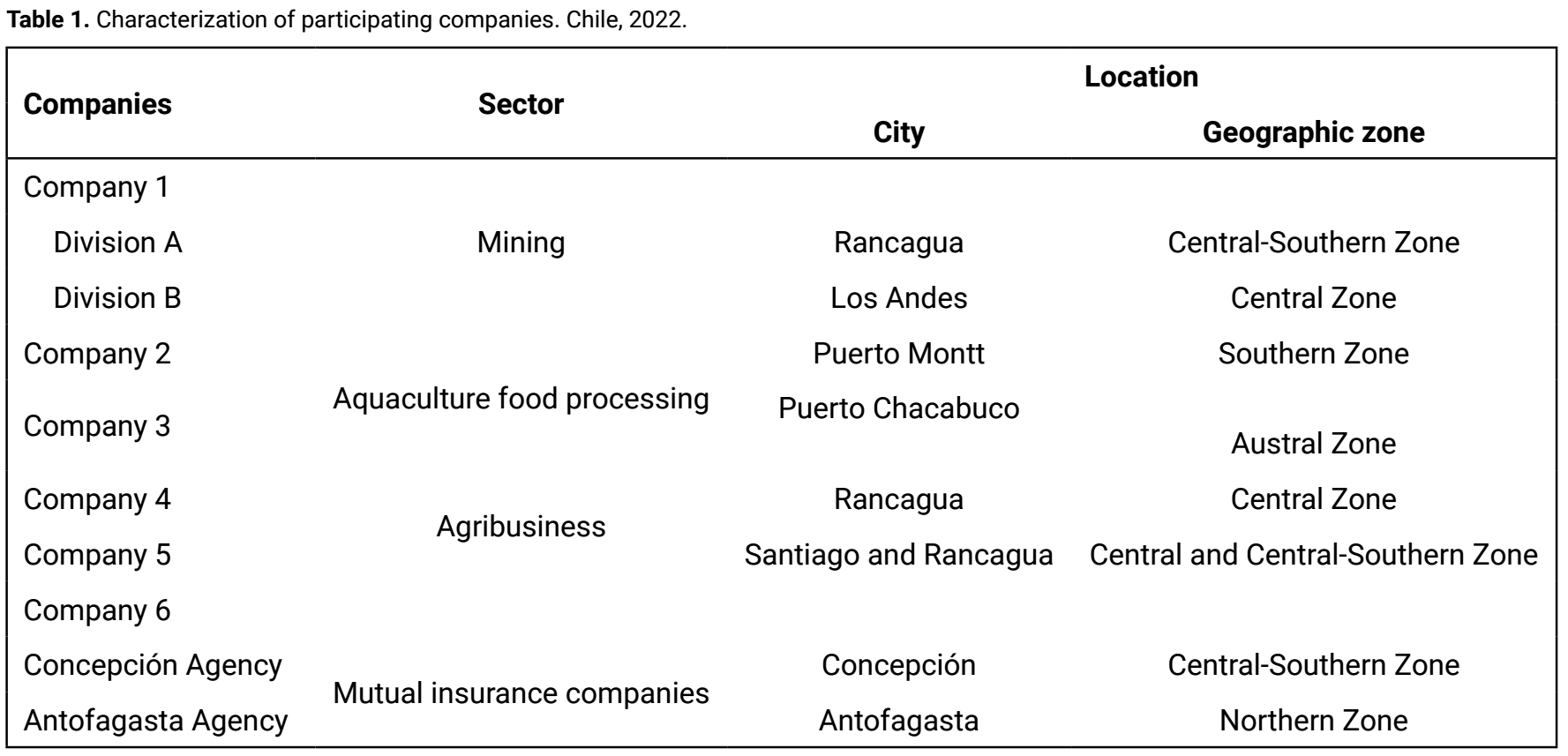
FGs participants were required to meet the following inclusion criteria: age between 25 and 64 years old, sedentary occupations (e.g., administrative), and current overweight or obesity defined by Body Mass Index (BMI) ≥ 25 kg/m2. Exclusion criteria: individuals currently undergoing medical, pharmacological, behavioral, and/or surgical treatment for weight loss within the past year; pregnant or lactating women; and workers currently taking antidepressant medications at the time of recruitment.
Data collection process
Once recruited, participants were divided into 16 FGs, each consisting of six to nine individuals. Participants were grouped by gender (female or male) and the company where they worked. Given that participants were in various geographic locations, FGs were conducted remotely between June and August 2022 using Microsoft® Teams or Zoom to ensure a higher participation rate.
FGs were audio-recorded and conducted by an anthropologist and ethnographer with technical support from a nutritionist assistant, both of whom were trained in this methodology. The average duration of each FG was 60 minutes. To ensure that participants’ experiences were explored in depth while remaining aligned with the research objectives, a series of guiding questions was developed. The guide was validated in pilot FGs with separate groups of men and women, who were excluded from the final analysis. Adjustments were made to the order and wording of questions based on the pilot data. The dimensions explored in the semi-structured interviews and their associated logic were: 1) Perception of body weight and need for change; 2) Acceptability and feasibility of NMI to reduce weight; 3) Personal and contextual factors involved in weight gain. Additionally, probing questions were used to delve deeper into participants’ responses.
Data analysis
FGs interviews were transcribed by a technician who was not involved in data collection or interpretation. All interviews were conducted in Spanish, and the research team translated the verbatims while respecting the participants’ communicative intentions and colloquial language. The transcripts were subjected to thematic content analysis20 using Atlas ti 8 software®. The process began with immersion in the data to acquaint oneself with the content and make initial notes. Subsequently, the data were systematically coded, enabling a detailed analysis. Codes were grouped into potential themes, facilitating the identification of patterns. After a review for consistency, themes were defined and refined, resulting in clear definitions.
The researcher maintained a reflective journal for each interview after transcription and coding, promoting reflexivity in the interpretation of interview data. Although participants reported individual experiences, the analysis prioritized the identification of consensus and collective patterns, capturing shared perceptions and reactions regarding the use of non-monetary incentives. This entire process was conducted and validated through discussions with a group of experts in nutrition and public health, as well as qualitative data analysis experts, to ensure results consistency. Once thematic analysis was completed, Self-Determination Theory12 was used to structure the discussion and results analysis.
Results
Sixteen FGs were conducted between June and August 2022. Of these, four were considered group interviews due to the small number of participants (n=3). A total of 86 workers participated in the FGs, with a predominance of men (n=53; 61.6%), which is consistent with the high proportion of male workers in the mining sector. The distribution of FGs by gender was as follows: eight FGs with male participants, seven with female participants, and one mixed-gender FG (8 men, 1 woman) due to a lack of women meeting the inclusion criteria in the mining sector. The sociodemographic characteristics of the participants are detailed in Table 2.
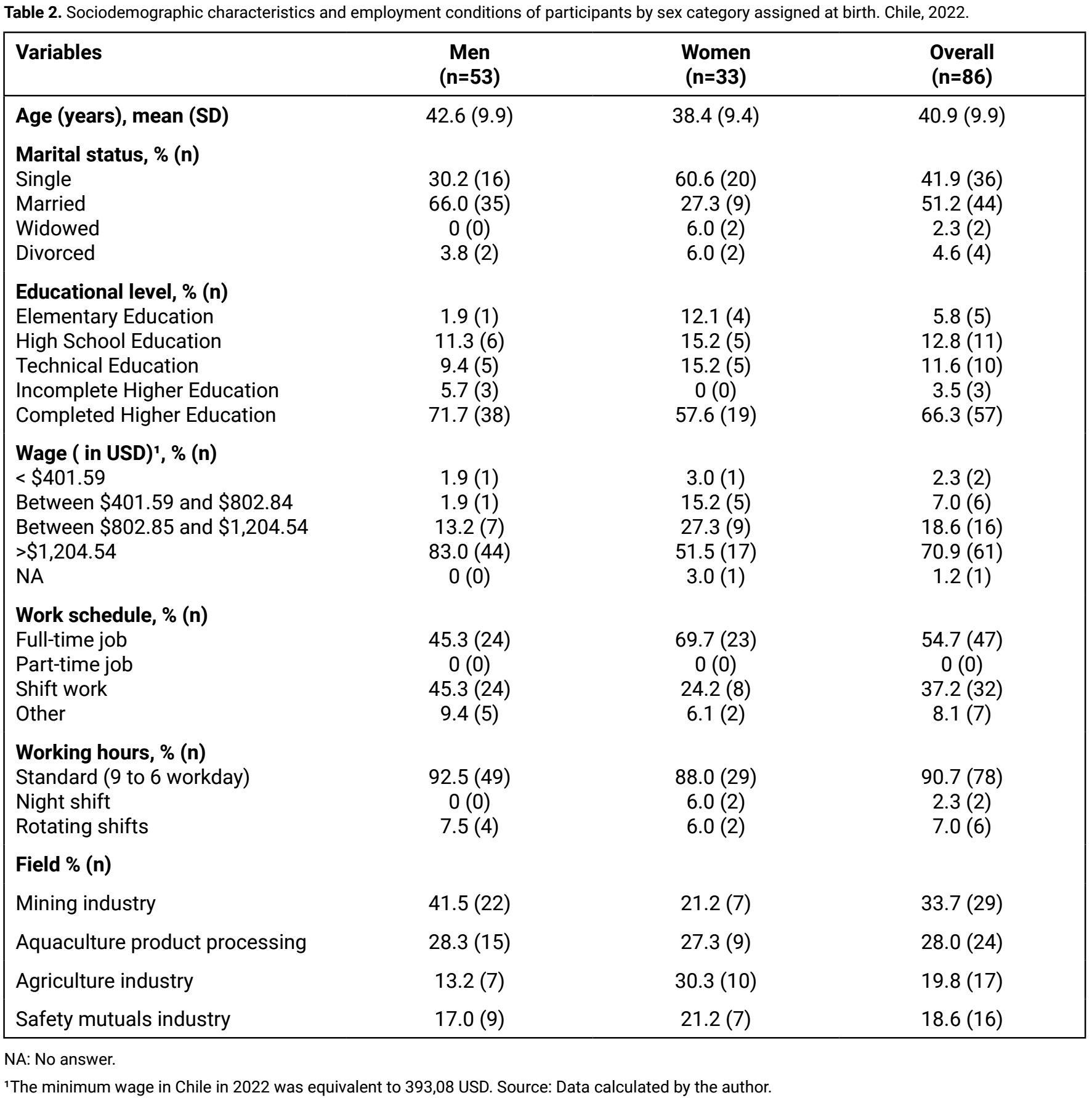
The average age of men and women was 42.6 and 38.4 years old, respectively, with the youngest participant being 24 years old and the oldest 61 years old. Most men (66.6%) were married, while most women (60.9%) were single. Both groups predominantly had completed university studies, with 6 men and 2 women also holding completed postgraduate studies. Regarding total household income, 83.0% of men earned more than $1,204.54 USD, equivalent to more than three minimum monthly wages in Chile, compared to 51.5% of women. Additionally, 45.3% of men and 69.7% of women had a standard workday. Regarding the work sector, four FGs were conducted per sector.
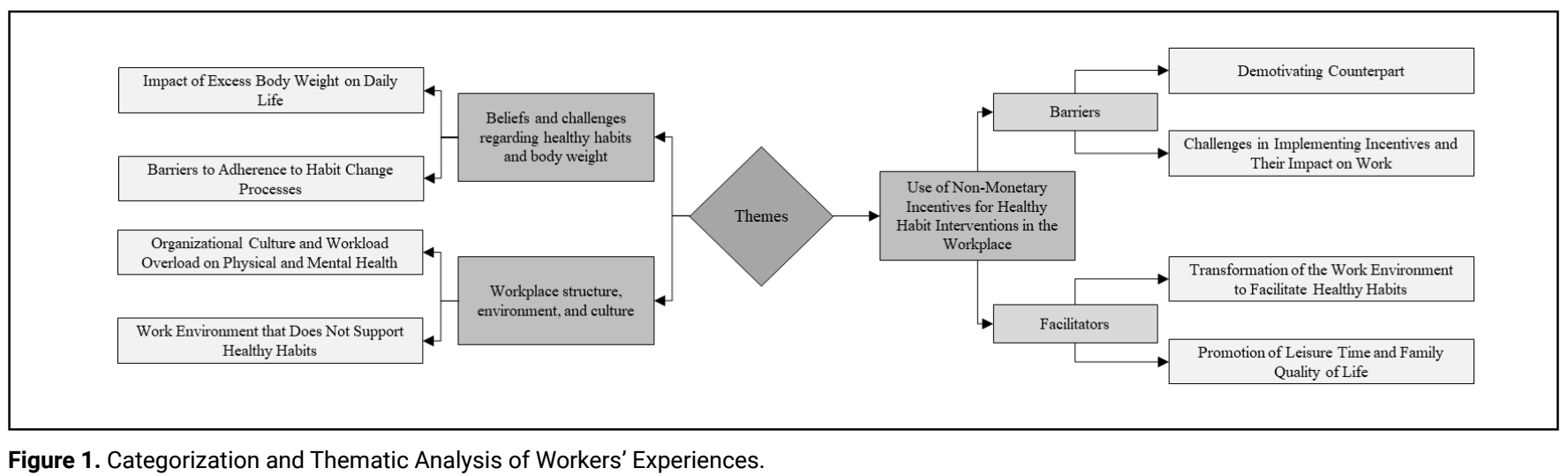
Figure 1 presents the results of a thematic analysis of interview data, which identified eight categories grouped into three major themes: 1) Beliefs and challenges related to healthy habits and body weight, 2) Workplace structure, environment, and culture, 3) Non-monetary incentives for promoting healthy behaviors in the workplace.
Beliefs and barriers related to healthy habits
Participants’ narratives revealed beliefs about body weight and the challenges of adopting healthy habits, highlighting the societal and cultural influences on these behaviors. The concept of an “ideal weight” was subjective, with participants emphasizing the importance of feeling comfortable in one’s body and prioritizing overall quality of life.
I’m fine with being 90 kilos. I know I’m 18 kilos over what the scale says, but at 90 kilos I feel good and I’m pretty active. Sure, I’m a bit round, but I think the ideal weight is more about how you feel. (P02, male, mutual insurance companies’ sector).
There is a general interest in reducing current weight or even returning to a specific lower body weight, associated with memories of greater energy and vitality, especially in the context of youth or pre-childbirth. Excess weight has a subtle but significant impact on quality of life and daily activities, reducing agility and increasing fatigue, which can directly or indirectly affect work performance. This relationship is even more evident in the mining sector, given that professionals in this field are subject to annual preventive medical examinations, the results of which determine their ability to work at high altitudes.
When I gain a little weight, I feel more tired or less agile to do certain things, and it starts to affect my quality of life in a certain way. (P24, woman, agribusiness sector).
The psychosocial impact of excess weight is also evident, as weight-related comments and bullying can lead to discomfort and stigmatization, impacting emotional and social well-being due to the association of body weight with success in other areas of life.
In our country, we’re fat phobic. Being overweight is frowned upon, and it’s seen as a sign of other issues. So obviously, this can’t affect much physical health but the mental health of the person. (P05, man, mutual insurance companies’ sector).
Although individuals recognize the value of a healthy weight, they often perceive the barriers to adopting healthy behaviors as substantial, citing time constraints and the demands of their work schedules as significant challenges.
I think it’s also a matter of workload. We have so many things to do and to think about adding one more... So many people just don’t want to, they’re so bored, tired... it’s like they don’t have the energy. I don’t want to, I won’t be able to finish this, I’m going to be putting pressure on myself. (P64, woman, mining sector).
In addition, the combination of low self-efficacy, past failures, shame, and fear of the unknown creates a psychological barrier that can significantly hinder individuals from participating in lifestyle change interventions.
Fear of failure. Yes, because it’s demotivating to join something, whatever it is, and feel internally that maybe you’re not capable. (P08, woman, mutual insurance companies’ sector).
Furthermore, participants reported negative perceptions of previous attempts at behavior change with the support of nutrition or health professionals, viewing these efforts as ineffective. This negative perception reinforces low self-efficacy and decreases confidence in the ability to achieve significant changes through such interventions.
The interview is the same for everyone, the same questions, the same recipe: “Cut out rice, pasta, and sugar, take care, see you in a year”. I think that doesn’t motivate others, in the sense that they might think it’s more of the same or that they no longer believe in this kind of process. (P59, man, mining sector).
A particularly relevant aspect is that, in the mining sector, this negative perception is intensified due to the specific demands of the work environment, especially in relation to the annual preventive medical examinations required for high-altitude work24.
The nutritionist always tells me the same thing when I go to my annual check-up. “You should aim for 75 kilos”. I leave demotivated, feeling like committing suicide after the annual check-up. (P72, man, mining sector).
Organizational structure, work environment, and corporate culture
Organizational culture and the workplace food environment pose significant barriers to adopting healthy habits. Heavy workloads and sedentary work activities are critical factors contributing to weight gain and health decline.
We’re stuck at our desks from 8 to 8, Monday through Friday. With minimal physical activity, we mostly sit still. Weekends are our only chance to relax, grill some meat, and enjoy a beer. (P59, man, mining sector).
Furthermore, the intense demand for productivity and the need to perform multiple tasks in a short period of time promote a fast-paced and stressful lifestyle. This reduces the time available for regular meals and adequate breaks, negatively impacting on workers’ quality of life.
We’re in a work model that requires us to constantly rush around all day... We walk around on edge, irritable, and our colleagues suffer from sleep deprivation, unable to sleep or having poor sleep quality, and poor eating habits. (P02, man, mutual insurance company sector).
Mining workers emphasized that emotional factors and stress are a ‘silent factor’ contributing to weight changes, driven by the emotional toll of excessive workloads and a competitive environment.
Being overweight can lead to numerous health problems and affect your job performance. All this pressure contributes to excessive stress, which, combined with being overweight, can cause an emotional overload that can easily lead to a heart attack. I’ve had colleagues who’ve experienced a stress-related breakdown. (P60, man, mining sector).
Demanding work schedules often lead to missed meals, which can increase appetite and result in overeating or making poor food choices. Women specifically mentioned that long working hours make it difficult to prepare healthy, home-cooked meals for themselves and their families, a challenge not reported by men.
We have to leave at eight, making it really hard to decide what to eat. Many of us are moms, and the little time we have left is dedicated to our kids and their homework. It’s just not possible [to eat properly] with such a limited schedule. (P65, woman, mining sector).
The food environment poses a significant challenge across all sectors. Participants’ geographic locations limit their access to healthy food options and physical activity spaces, underscoring the physical and financial barriers they face.
The issue is that, if you go shopping at the farmers’ market, you might find cheaper products. However, when we don’t have the time due to our work schedules, and we have to buy from greengrocers and supermarkets, the prices are expensive. (P39, woman, agribusiness sector)
In agriculture, factors like household size and limited food availability in rural areas were noted in addition to economic resources.
The nutritionist goes and explains everything, but to find those foods, they have to go to Valparaíso to buy them. In the case of people who live in La Vinilla neighbourhood, they must travel to another place to look for them. They don’t have a choice. (P42, woman, agribusiness sector).
Use of non-monetary incentives for workplace health behavior interventions
The analysis of the theoretical acceptability of NMI to promote healthy behaviors in the WPs revealed that, while these incentives are valued, they are insufficient to overcome the psychological, emotional, and structural challenges faced by participants, both at the individual and organizational levels.
Participants particularly valued incentives that encouraged increased quality time for personal and family activities, suggesting their potential to positively impact lifestyle habits.
It’s going to have a direct relationship, for example, let’s say a father is going to have free time to spend with his family, with his children. More time is valuable, he appreciates it. (P18, man, agribusiness sector).
Furthermore, incentives that contribute to physical or organizational changes, creating a more favorable environment for accessing healthy foods and physical activity opportunities in the workplace, are valued for helping to remove barriers and establish a more conducive context for the adoption of healthy behaviors.
That sounds appealing, but it would be even better if we could incorporate healthier options. If we had an incentive like that. (P49, woman, mining sector)
While all NMI were considered, they also presented several potential downsides that could limit their success. These drawbacks arise when the positive effects of an incentive are undermined by negative consequences, such as feelings of frustration, sadness, or being overwhelmed by the goals.
It may generate, perhaps at the time, a kind of frustration, maybe because some people will reach the goal and others won’t. (P79, woman, aquaculture food processing sector).
Participants expressed concerns about incentives like charitable donations, fearing they might feel guilty if they failed to meet their goals.
I think, personally, I would feel bad if I didn’t reach the goal because I would be harming an organization. It’s not personal, so I would feel bad if I didn’t comply. (P14, woman, mutual insurance companies’ sector)
Challenges in implementing NMI stem from perceived practical difficulties, such as inadequate infrastructure and insufficient supervisory support, which can diminish the motivating effects of the incentives.
It will depend more on the department head where each person works, rather than on the company in general or management. (P86, man, aquaculture food processing sector).
A relevant and cross-cutting disadvantage across all sectors, and therefore a major barrier to using incentives, is the potential resentment of employees who cannot participate in the program due to the nature of their roles. In some cases, the responsibilities associated with certain positions or shift schedules make it difficult to step away to join activities, creating perceptions of inequity. This can lead to tensions between employees who can participate and those who are excluded, particularly in departments that are resistant to such initiatives.
It can also lead to conflicts with employees who can’t participate, especially in departments that are resistant to these kinds of programs. It’s a complex issue. (P39, woman, agribusiness sector).
Moreover, the requirement to adapt to changing work demands, and juggle time constraints are considered a major hurdle. NMI are perceived as an extra task that participants must complete, rather than a reward, underscoring the difficulty of finding the time to participate.
It could be risky because people start off really motivated, but then they might lose interest or find they don’t have the time. (P62, woman, mining sector).
Discussion
This study provides a novel approach to assessing the theoretical acceptability and anticipated outcomes of NMI for WPs weight loss. While appreciated by employees, these incentives alone are inadequate to surmount the psychological, emotional, and systemic barriers to adopting healthier behaviors. Incentives tied to quality time, particularly within family settings, were most valued, yet organizational and individual obstacles may curtail their overall effectiveness.
Incentives, both monetary and non-monetary, are often considered a solution to promote behavioral change, particularly in the health domain3. However, it is crucial to recognize that they are not effective motivators on their own. The literature shows that while participants acknowledge the potential of incentives, their actual effectiveness is limited, especially in the long term25. Studies by McGill et al26. and Sweeney et al27. reveal that although incentives are accepted, many participants do not attribute their success to these rewards. In some cases, financial incentives even generated distrust, as participants believed that the real motivation for weight loss should be their own health, while NMI, such as vouchers, were viewed with scepticism due to the associated costs26. This raises questions about the true role and impact of incentives on motivation for behavioral change.
One explanation for the ineffectiveness of incentives may lie in the distinction between intrinsic and extrinsic motivation. According to SDT, intrinsic motivation, arising from personal interest and individual values, is fundamental for the success of health interventions12. If incentives are not aligned with personal values or create a sense of external control, their effectiveness diminishes28 and may even have a counterproductive effect, acting as a demotivator23. Furthermore, the fear of not achieving the desired results to obtain the incentive is also cited as a reason for the low acceptability of incentives13.
According to Tariq et al.29, this is particularly relevant in contexts where self-image and beliefs about one’s ability to change act as barriers, as observed in the results of this study. A study by Glanz et al30.compared the barriers and facilitators to behavior change identified by more successful individuals with those who were less successful, both of whom received incentives during a weight loss intervention. Both groups mentioned barriers; however, the more successful group had higher intrinsic motivation at the beginning of the intervention and had a greater ability to identify individual strategies to address barriers.
Furthermore, job stress and an unhealthy food environment can impede the adoption of healthy habits and the acceptance of incentives. Sonnentag et al6. highlight that job stress not only undermines physical health but also reduces motivation for lifestyle changes. The high levels of burnout, anxiety, and depression associated with job stress can limit employees’ ability to take advantage of incentives and engage in healthy behaviors outside of work. Consequently, interventions must account for these personal and contextual factors to be effective29.
Modifying the context is key to fostering intrinsic motivation. Health-promoting environments, such as those that facilitate access to healthy food and support healthy work practices, are fundamental for increasing adherence to health interventions9. In this sense, incentives can be a tool to transform the environment, creating the necessary conditions for workers to feel empowered and achieve significant changes in their behavior26,29.
Therefore, NMI should not be considered an isolated solution, but rather part of a comprehensive strategy that includes environmental modifications. Personalization of incentives, aligned with individual goals, enhances their effectiveness11. Interventions that combine incentives with social support and environmental adjustments are more successful in promoting behavioral changes26,29. Improving the work environment can increase intrinsic motivation and facilitate the sustained adoption of healthy behaviors.
The integration of these interventions with public policies that promote health and well-being can amplify the effects of incentives. Initiatives that regulate the supply of healthy foods and promote physical activity programs in companies can create an environment conducive to change1. This broadened view of occupational health is key to ensuring that incentives are not perceived as an isolated solution, but rather as part of an integrated system that promotes health in multiple spheres of life6.
In recent years, Chile has stood out in implementing public policies aimed at promoting healthier environments for the population31. The Food Law regulation32, which incorporates front-of-package warning labels on foods high in critical nutrients, has been a significant step forward, as it allows consumers to make more informed food choices. Additionally, in 2015, Chile restricted food advertising (Law 20.869).
However, although Chile prioritizes the workplace as a key area for interventions24,33, the country lacks specific regulations for this environment, which is largely characterized as obesogenic, with a wide availability of unhealthy foods and limited opportunities for physical activity or the adoption of healthy behaviors9.
Initiatives such as the use of NMI, which consider both intrinsic and extrinsic factors to modify behavior, along with structural changes in the work environment, can be a promising strategy to reduce risk factors for chronic diseases, thereby decreasing the associated economic burden.
By analyzing the discourse of workers in this study, a perception of employer responsibility is evident regarding insufficient or inadequate conditions for the adoption of healthy behaviors, such as work schedules that hinder physical activity or limited availability of healthy food in the workplace. These contextual factors are further shaped by the characteristics of specific job roles and sectors, including extended working hours or organizational constraints, which may affect employees’ ability to participate in health-promoting programs and influence their perceptions of non-monetary incentives. Future research could explore these sector-specific factors in more detail to optimize intervention design.
Therefore, it becomes increasingly relevant to advance regulations that can guarantee, for example, the right to access healthy food in the WPs or environments for physical activity.
As limitations of this study, we highlight the exclusive participation of individuals who agreed to participate in the WPs weight loss intervention, excluding those who were not interested and may have had different perceptions of NMI. Additionally, the acceptability and feasibility of incentives among business sectors may have been influenced by the pre-existing offer of similar corporate benefits.
In conclusion, while NMI are recognized as motivational elements, they are insufficient without the support of structural and cultural changes in the work environment. The creation of an environment that actively promotes the health and well-being of workers is essential to induce sustainable changes. Therefore, the use of incentives should be integrated into a broader strategy that considers motivation, context, and the interdependence of factors to promote healthy habits and ensure long-term adherence.
Funding statements
This work was supported by the Chilean Superintendence of Social Security [grant number 273-2021].
Authors’ contribution
The authors certify that they contributed equally to the conception, design, scientific and intellectual content, and writing of the manuscript.
Declaration of Conflicting Interests
The author(s) declared no potential conflicts of interest regarding the research, authorship, and/or publication of this article.
Declaration of AI use
The authors confirm that no generative AI or AI-assisted technologies were used in the drafting or editing of this manuscript.
References
- Andersen LL. Health Promotion and Chronic Disease Prevention at the Workplace. Annu Rev Public Health [Internet]. 2024 May 20 [cited 2025 Oct 7];45(1):337–57. Available from: https://pubmed.ncbi.nlm.nih.gov/37788631/
- Obesity Atlas 2023 | World Obesity Federation Global Obesity Observatory [Internet]. [cited 2025 Oct 7]. Available from: https://data.worldobesity.org/publications/?cat=19
- Heise TL, Frense J, Christianson L, Seuring T. Using financial incentives to increase physical activity among employees as a strategy of workplace health promotion: protocol for a systematic review. BMJ Open [Internet]. 2021 Mar 5 [cited 2025 Oct 7];11(3). Available from: https://pubmed.ncbi.nlm.nih.gov/33674371/
- Melián-Fleitas L, Franco-Pérez Á, Caballero P, Sanz-Lorente M, Wanden-Berghe C, Sanz-Valero J. Influence of Nutrition, Food and Diet-Related Interventions in the Workplace: A Meta-Analysis with Meta-Regression. Nutrients [Internet]. 2021 Nov 1 [cited 2025 Oct 7];13(11). Available from: https://pubmed.ncbi.nlm.nih.gov/34836200/
- Blüher M. Obesity: global epidemiology and pathogenesis. Nat Rev Endocrinol [Internet]. 2019 May 1 [cited 2025 Oct 7];15(5):288–98. Available from: https://pubmed.ncbi.nlm.nih.gov/30814686/
- Sonnentag S, Tay L, Nesher Shoshan H. A review on health and well-being at work: More than stressors and strains. Pers Psychol [Internet]. 2023 Jun 1 [cited 2025 Oct 7];76(2):473–510. Available from: /doi/pdf/10.1111/peps.12572
- Bakhtiari A, Takian A, Majdzadeh R, Ostovar A, Afkar M, Rostamigooran N. Intersectoral collaboration in the management of non-communicable disease’s risk factors in Iran: stakeholders and social network analysis. BMC Public Health [Internet]. 2022 Dec 1 [cited 2025 Oct 7];22(1):1–16. Available from: https://bmcpublichealth.biomedcentral.com/articles/10.1186/s12889-022-14041-8
- Zhu X, Yoshikawa A, Qiu L, Lu Z, Lee C, Ory M. Healthy workplaces, active employees: A systematic literature review on impacts of workplace environments on employees’ physical activity and sedentary behavior. Build Environ [Internet]. 2020 Jan 15 [cited 2025 Oct 7];168:106455. Available from: https://www.sciencedirect.com/science/article/abs/pii/S0360132319306675
- Campbell K, Rugani I, De Castro R, Canella DS. Organizational Food Environments: Advancing Their Conceptual Model. Foods 2022, Vol 11, Page 993 [Internet]. 2022 Mar 29 [cited 2025 Oct 7];11(7):993. Available from: https://www.mdpi.com/2304-8158/11/7/993/htm
- Stubelj M, Širok K, Laporšek S, Perčič S. Factors Influencing the Degree of Employee Involvement in Preventive Nutrition and Physical Activity Web-Based Programs in Medium and Small Enterprises. Nutrients [Internet]. 2023 Dec 1 [cited 2025 Oct 7];15(24). Available from: https://pubmed.ncbi.nlm.nih.gov/38140388/
- Martinez M, Salazar-Collier CL, Pena J, Wilkinson A V., Chavarria EA, Reininger BM. Motivation for weight loss among completers of a free community-based weight loss program in a US-Mexico border region: A self-determination theory perspective. Front public Heal [Internet]. 2022 Sep 20 [cited 2025 Oct 7];10. Available from: https://pubmed.ncbi.nlm.nih.gov/36203664/
- Ryan RM, Deci EL. Self-Determination Theory Richard. Wiley Encycl Personal Individ Differ Model Theor. 2020;1–7.
- van der Pol M, McDonald M, Collacott H, Dombrowski SU, Harris FM, Kee F, et al. Designing financial incentives for health behaviour change: a mixed-methods case study of weight loss in men with obesity. J Public Heal. 2024 Jan 1;32(1):65–77.
- Vitzthum MA, Krüger K, Weyh C. The impact of financial incentives on physical activity for employees in the context of workplace health promotion: a systematic review. J Occup Health [Internet]. 2024 Jan 1 [cited 2025 Oct 7];66(1). Available from: https://pubmed.ncbi.nlm.nih.gov/39159256/
- Hoskins K, Ulrich CM, Shinnick J, Buttenheim AM. Acceptability of financial incentives for health-related behavior change: An updated systematic review. Prev Med (Baltim) [Internet]. 2019;126(June):105762. Available from: https://doi.org/10.1016/j.ypmed.2019.105762
- Lesser LI, Puhl RM. Alternatives to monetary incentives for employee weight loss. Am J Prev Med [Internet]. 2014 [cited 2025 Oct 7];46(4):429–31. Available from: https://pubmed.ncbi.nlm.nih.gov/24650847/
- Ministry of Health of Chile. National Health Survey 2016-2017:First results [Internet]. Santiago; 2017. Available from: http://epi.minsal.cl/wp-content/uploads/2017/12/2017.21.07_pdf.primeros.resultados.pdf
- Bravo C, Nazar G. Psychosocial risk at work and health in urban public transport drivers in Chile. Salud los Trab [Internet]. 2015 [cited 2025 Oct 7];23(2):105–14. Available from: http://ve.scielo.org/scielo.php?script=sci_arttext&pid=S1315-01382015000200004&lng=es&nrm=iso&tlng=es
- Pedreros LA, Calderón JR, Moraga CF. Nutritional status, body composition and anthropometric indicators of miners exposed to intermittent chronic hypobaric hypoxia at moderate altitude (0-2500 m). Rev Chil Nutr [Internet]. 2018 Sep 1 [cited 2025 Oct 7];45(3):199–204. Available from: http://www.scielo.cl/scielo.php?script=sci_arttext&pid=S0717-75182018000400199&lng=en&nrm=iso&tlng=en
- Braun V, Clarke V. Using thematic analysis in psychology. Qual Res Psychol. 2006;3(2):77–101.
- Ryan RM, Deci EL. Self-determination theory and the facilitation of intrinsic motivation, social development, and well-being. Am Psychol [Internet]. 2000 [cited 2025 Oct 7];55(1):68–78. Available from: https://pubmed.ncbi.nlm.nih.gov/11392867/
- Tong A, Sainsbury P, Craig J. Consolidated criteria for reporting qualitative research (COREQ): a 32-item checklist for interviews and focus groups. Int J Qual Heal Care [Internet]. 2007 Dec 1 [cited 2025 Oct 7];19(6):349–57. Available from: https://dx.doi.org/10.1093/intqhc/mzm042
- Moller AC, McFadden HG, Hedeker D, Spring B. Financial motivation undermines maintenance in an intensive diet and activity intervention. J Obes [Internet]. 2012 [cited 2025 Oct 7]; 2012. Available from: https://pubmed.ncbi.nlm.nih.gov/22548152/
- Ministry of Health of Chile. Supreme Decree No. 28. Regulation on the Evaluation of Physical Capacity and Health for Work at Physical Heights [Internet]. 2011 [cited 2025 Oct 7]. Available from: https://www.bcn.cl/leychile/navegar?idNorma=1045465
- Jones D, Molitor D, Reif J. Incentives and Habit Formation in Health Screenings: Evidence from the Illinois Workplace Wellness Study. 2024 Jul 29 [cited 2025 Oct 7]; Available from: https://www.nber.org/papers/w32745
- McGill B, O’Hara BJ, Grunseit AC, Bauman A, Osborne D, Lawler L, et al. Acceptability of financial incentives for maintenance of weight loss in mid-older adults: A mixed methods study. BMC Public Health. 2018;18(1):1–12.
- Sweeney AM, Wilson DK, Brown A. A qualitative study to examine how differences in motivation can inform the development of targeted physical activity interventions for African American women. Eval Program Plann [Internet]. 2019 Dec 1 [cited 2025 Oct 7];77. Available from: https://pubmed.ncbi.nlm.nih.gov/31539644/
- Tran S, Smith L, Carter S. Understanding Patient Perspectives on the Use of Gamification and Incentives in mHealth Apps to Improve Medication Adherence: Qualitative Study. JMIR mHealth uHealth [Internet]. 2024 May 14 [cited 2025 Oct 7];12(1):e50851. Available from: https://mhealth.jmir.org/2024/1/e50851
- Tariq S, Olstad DL, Beall RF, Spackman E, Lipscombe L, Dunn S, et al. Exploring the prospective acceptability of a healthy food incentive program from the perspective of people with type 2 diabetes and experiences of household food insecurity in Alberta, Canada. Public Health Nutr [Internet]. 2024 Feb 2 [cited 2025 Oct 7];27(1). Available from: https://pubmed.ncbi.nlm.nih.gov/38305101/
- Glanz K, Kather C, Chung A, Choi JR, Volpp KG, Clapp J. Qualitative study of perceptions of factors contributing to success or failure among participants in a US weight loss trial of financial incentives and environmental change strategies. BMJ Open [Internet]. 2024 Mar 1 [cited 2025 Oct 7];14(3):e078111. Available from: https://bmjopen.bmj.com/content/14/3/e078111
- Rodríguez-Osiac L, Fernandes ACP, Mujica-Coopman M-F, Caro-Moya P, Navarro-Rosenblatt D, Rodríguez-Osiac L, et al. A description of Chilean food and nutrition health policies. Rev Med Chil [Internet]. 2021 Oct 1 [cited 2025 Oct 7];149(10):1485–94. Available from: http://www.scielo.cl/scielo.php?script=sci_arttext&pid=S0034-98872021001001485&lng=es&nrm=iso&tlng=en
- Ministry of Health of Chile. Law No. 20.606 on Food Nutritional Composition and Advertising [Internet]. 2012 [cited 2025 Oct 7]. Available from: https://www.bcn.cl/leychile/navegar?idNorma=1041570
- National Congress of Chile. Law No 20.416. Establishes Special Rules for Small-Sized Companies [Internet]. Library of Congress of Chile. [cited 2025 Oct 7]. Available from: https://www.bcn.cl/leychile/navegar?idNorma=1010668
Explorar
Artículos
Volúmenes
Sobre la revista
Más leídos
Hábitos alimentarios en estudiantes universitarios de una facultad de salud en Colombia
Revista Chilena de Nutrición
Orientación técnica para el manejo nutricional de la persona adulta con cáncer
Revista Chilena de Nutrición
Recomendaciones prácticas para el manejo nutricional de la enfermedad renal crónica en etapas 3 a 5 con y sin diálisis para adultos y personas mayores en Chile
Revista Chilena de Nutrición
Productos de glicación avanzada en alimentos: estrategias de preparación y procesamiento para reducir su contenido, para un envejecimiento saludable
Revista Chilena de Nutrición
Aceite de canola: recomendaciones de ingesta para la prevención y el tratamiento de enfermedades crónicas no transmisibles
Revista Chilena de Nutrición